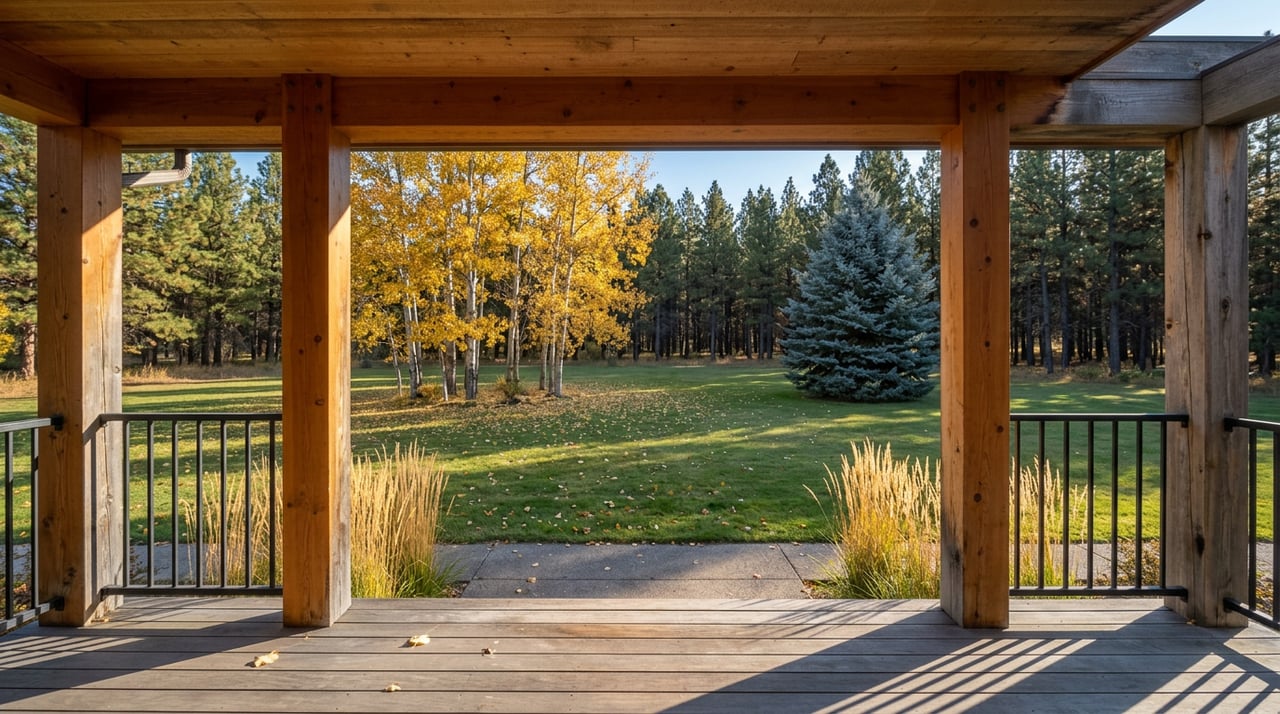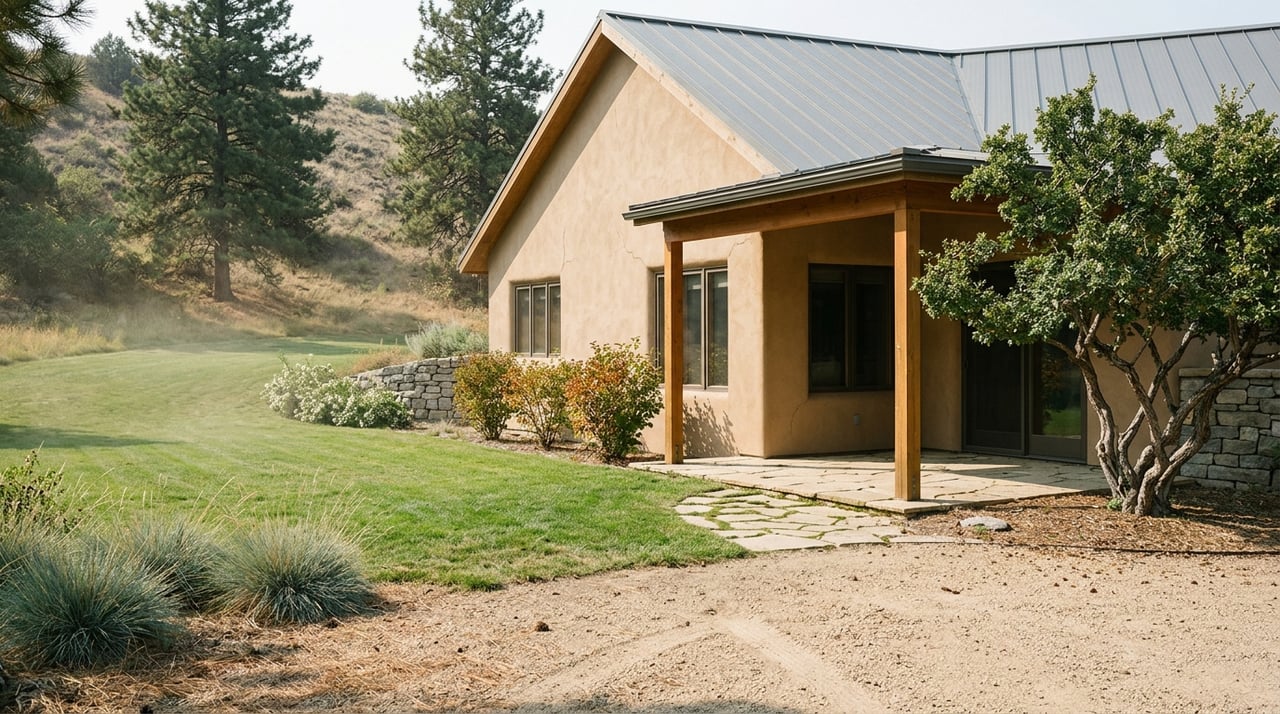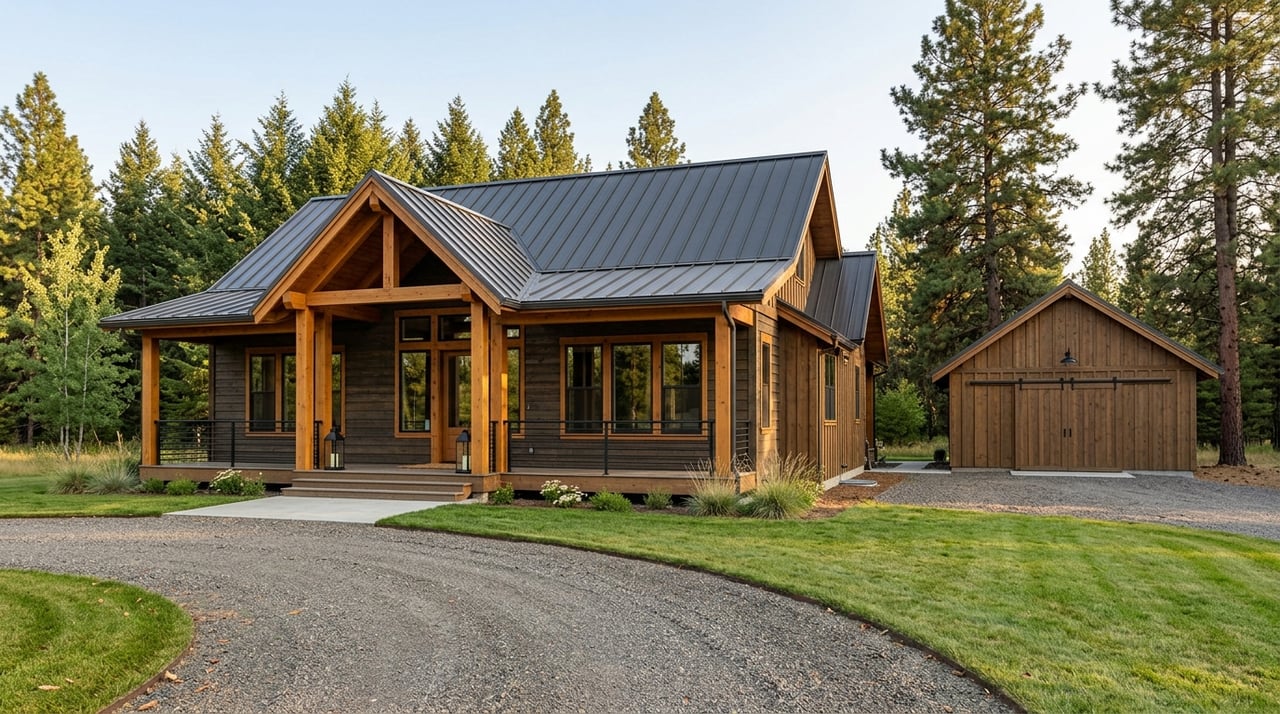
If you are selling acreage in Hamilton, buyers will notice one thing fast: beautiful land is not enough. In a market where buyers have options, serious acreage shoppers want clear answers about access, boundaries, water, and paperwork before they commit their time or money. When you prepare those details in advance, you make your property easier to understand, easier to tour, and easier to trust. Let’s dive in.
Why preparation matters in Hamilton
Hamilton sits in Ravalli County, where land and homes with acreage appeal to buyers looking for space, utility, and long-term value. At the same time, the broader Hamilton market was labeled a buyer’s market in May 2026, with 179 homes for sale, a median listing price of $677,500, and median days on market of 67.
That kind of market rewards sellers who reduce uncertainty. Serious buyers may move quickly once they feel confident, but they tend to pause when key land questions are unanswered. If your acreage listing is organized, documented, and easy to evaluate, you stand out for the right reasons.
Start with access and road details
For acreage in Ravalli County, access is often the first issue buyers scrutinize. They want to know how they reach the property, what the road is like, and whether the route feels workable in real-world conditions.
Ravalli County notes that buyers should investigate road conditions and maintenance. The county maintains about 1,450 miles of public roadway, with roughly 550 miles county-maintained and about 250 miles graveled. That means your road frontage, driveway condition, gate setup, turnout, and culvert are not small details. They are part of the product you are selling.
Show the approach clearly
Your marketing should help buyers understand the trip from the road to the homesite or building area. If the driveway is long, narrow, steep, or shared, that should be shown clearly and honestly.
Good listing preparation often includes:
- A clean and visible road approach
- A maintained driveway run
- Clear photos of the gate and entrance
- Notes about whether the road is public, county-maintained, graveled, or private
- A simple explanation of any shared access arrangement
Check permit-related features
Ravalli County’s Road & Bridge department requires approach permits for field, residential, and commercial approaches, and a current parcel map must accompany the application. If your property has an existing approach, it helps to gather whatever records you have before listing.
This does not mean every buyer will ask for permit details on day one. It does mean that being prepared can keep a promising conversation from slowing down later.
Clarify boundaries before buyers ask
Acreage buyers almost always want to know where the land actually begins and ends. Fence lines may help visually, but they do not always match the legal boundary.
Ravalli County GIS makes an important distinction here. Its maps are for general reference, not surveying, and the office cannot locate property boundaries or interpret deeds and legal descriptions. That is why sellers benefit from pulling together the best available boundary information before the listing goes live.
Build a boundary packet
A strong acreage listing should be built around real documents, not guesswork. If you have them, gather your parcel map, any recent survey, and any certificate of survey.
It also helps to explain, in plain language, whether:
- Existing fences appear to match the legal boundary
- Certain fence lines are only approximate
- There are mapped survey extents or parcel monuments available
- A buyer may want independent verification during due diligence
This kind of clarity builds confidence. It also helps remote buyers, who may be trying to understand the land before they ever visit Hamilton in person.
Organize water, septic, and irrigation records
Water and wastewater details can shape a buyer’s opinion of acreage almost immediately. If the property has a well, septic system, ditch, canal, or irrigation setup, expect buyers to ask for details.
Montana DEQ states that a failing septic system can lower property value. DEQ also notes that septic systems generally need pumping every 3 to 5 years, depending on use. If you have service records, inspection notes, or maintenance history, gather them before the property hits the market.
Prepare well information
MSU’s GWIC guide explains that well logs can show depth, water level, and geologic material. Keeping a copy on file is useful for maintenance and for understanding possible contamination risks.
If your acreage has a well, try to have these items ready:
- Well log, if available
- Any pump or service records
- Notes on current use
- Information about the location of the well in relation to improvements
Explain septic status honestly
Septic questions can make buyers nervous if the information is vague. If the system has been maintained, say so and have supporting records ready.
Useful items may include:
- Pumping history
- Repair receipts
- System location information
- Any documentation you already have from prior transactions or service providers
Address ditch and canal issues
If the property includes irrigation or is crossed by a ditch or canal, buyers need a clear explanation. MSU Extension notes that ditch rights and easements can cross private property, and fences or landscaping that interfere with flow can create disputes.
That means your listing should not treat irrigation as a casual side note. If there are ditch rights, easements, or physical irrigation features on the property, present them clearly so buyers know what exists and how it affects use.
Review floodplain and drainage information
In Hamilton and across Ravalli County, creek frontage, low areas, and drainage patterns can affect buyer decisions. Even if only a small portion of the tract is impacted, buyers want to know before they are deep into due diligence.
Ravalli County’s floodplain resources link to FEMA DFIRM mapping and county LiDAR data. The county’s online map hub also includes a floodplain layer with cross sections and base flood elevations.
Use official map layers early
If your acreage is near a creek, river, drainage, or low spot, gather floodplain information before listing. This can help prevent surprises and reduce the risk of a buyer backing away after discovering something late.
A cleaner presentation usually includes:
- A parcel map that aligns with official county layers
- Floodplain information if any part of the tract may be affected
- A simple explanation of known drainage features
- Marketing maps that match the legal and public-record story
Make sure recorded documents are easy to find
Buyers tend to feel better about land when the paperwork is organized. Recorded documents, parcel maps, and addressing details all help remove friction.
Ravalli County GIS states that if a parcel does not yet have a physical address, an Address Request Form is required to obtain one as of July 1, 2025. For vacant land or new homesites, that can affect navigation, showings, and how the property appears in online search.
Gather core listing documents
Before you list, it helps to assemble a simple document set that can be shared when appropriate. Ravalli County’s Clerk and Recorder office offers online document search and recording services, which can help sellers retrieve recorded items.
A practical prep file may include:
- Parcel map
- Recorded legal description
- Certificate of survey, if available
- Easement documents, if available
- Physical address status
- Floodplain information, if relevant
- Well and septic records, if available
Improve the visual presentation
Photos and aerials do more than make acreage look attractive. They help buyers understand the land. In a property type where access, usability, and layout matter, visuals should answer questions, not create them.
NOAA explains that climate normals are the standard 30-year reference for typical seasonal conditions, and the local weather tools for the region can help frame when conditions are most representative. In practical terms, Hamilton acreage usually shows best when buyers can see the road approach, fences, buildings, and open ground clearly.
Choose the right season
Photograph the property when it looks accessible and legible. A tidy driveway, visible fence lines, clean outbuildings, and manageable vegetation all help buyers understand what they are seeing.
If possible, your image set should include:
- The road approach
- The full driveway run
- Gate and fence lines
- Each outbuilding
- Utility areas
- Water features, if present
- At least one aerial showing the parcel in context
Match aerials to real data
Aerial marketing should line up with the same parcel and survey data used in the listing packet. When visuals and documents tell the same story, buyers feel more confident.
That is especially important for out-of-area buyers who may rely heavily on online information before scheduling a showing or making travel plans.
Answer buyer questions before they ask
The best acreage listings do not wait for confusion. They anticipate it. In Ravalli County, many buyers will focus on the same core issues right away.
Make sure your listing can clearly answer these questions:
- How do you get to the property?
- Is the road county-maintained, graveled, public, or private?
- Where are the legal boundaries?
- Do the fences match the survey?
- What is the status of the well and septic system?
- Are there irrigation ditches, canals, rights, or easements?
- Is any part of the property in a floodplain?
- Does the parcel already have a physical address?
- Are key recorded documents easy to retrieve?
When buyers can get these answers early, they spend less energy worrying and more energy picturing how the property fits their goals.
Work with a local acreage expert
Selling acreage in Hamilton is different from selling an in-town house. Land buyers often need help understanding access, easements, water systems, map layers, and how the physical property matches the record.
That is where local, hands-on guidance matters. If you want help preparing your acreage for market, organizing the right documents, and presenting the property in a way serious buyers can trust, connect with Wanda Sumner.
FAQs
What do Hamilton acreage buyers look at first?
- Buyers usually focus first on access, road condition, boundaries, well and septic information, irrigation details, floodplain concerns, and whether the parcel records are easy to understand.
Why does road access matter for Ravalli County land?
- Ravalli County advises buyers to investigate road conditions and maintenance, so your driveway, gate, turnout, culvert, and road frontage can directly affect buyer confidence.
Should a Hamilton land seller provide survey information?
- Yes, if available. A parcel map, recent survey, or certificate of survey can help reduce confusion because county GIS maps are for general reference and not a substitute for a survey.
What septic records help sell acreage in Hamilton MT?
- Septic pumping history, repair receipts, system location details, and any past service records can help reassure buyers, especially since Montana DEQ notes that failing septic systems can lower property value.
Why should a Hamilton acreage listing include floodplain information?
- If the tract is near a creek, river, drainage, or low area, floodplain information can help buyers understand possible constraints before they spend time and money on due diligence.
Does vacant land in Ravalli County need a physical address?
- If the parcel does not yet have one, Ravalli County GIS says an Address Request Form is required to obtain a physical address as of July 1, 2025, which can affect navigation and showings.