If you picture life near the Bitterroot River as a row of dense waterfront homes, Stevensville may surprise you. Here, the river is part of a broader valley landscape that blends small-town living, public access, open land, and a strong connection to the outdoors. If you are thinking about buying or selling near the river in Stevensville, this guide will help you understand what daily life can really look like. Let’s dive in.
The Bitterroot River Shapes Stevensville
Stevensville sits in the Bitterroot Valley between the Bitterroot Mountains and the Sapphire Mountains, with the Bitterroot River running through the middle of the valley. The town’s growth policy ties local identity to Montana’s early history, its natural setting, and a small-town feel, and it treats river access as an important community issue.
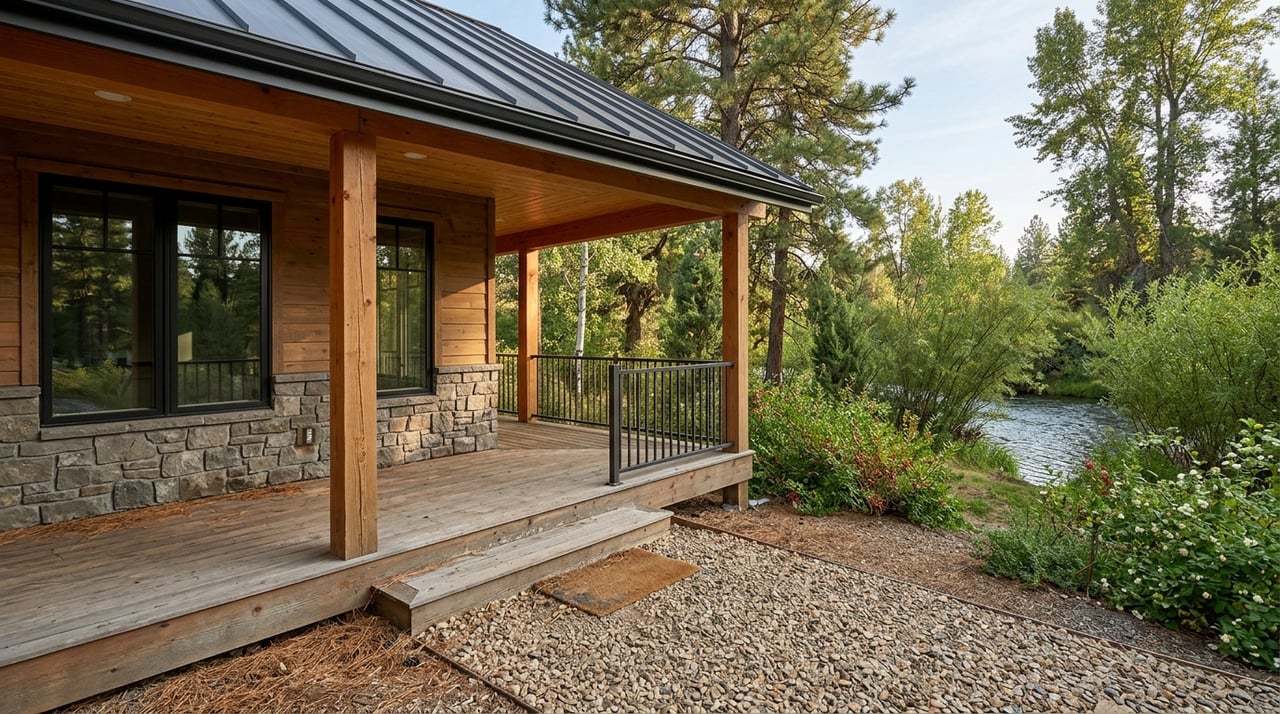
That setting gives river-adjacent living in Stevensville a distinct character. This is not a dense waterfront district. It is a valley town where the river, ranch land, historic neighborhoods, trails, and open space all work together to shape the lifestyle.
Stevensville’s roots also run deep. The town’s history connects to St. Mary’s Mission and Fort Owen, which helps explain the area’s long-standing agricultural and settlement pattern that still influences how the community looks and feels today.
What Living Near the River Feels Like
Living near the Bitterroot River often means you are close to recreation without needing private river frontage. In and around Stevensville, access to the outdoors can come from public fishing access sites, local trails, wildlife areas, and parks, all within the wider river corridor.
The river landscape itself is also dynamic. The reach near Stevensville sits in a transition zone where the Bitterroot changes character, shifting between more braided conditions upstream and more confined or sinuous patterns downstream. In practical terms, the river environment can feel active and ever-changing rather than fixed.
For many buyers, that is part of the appeal. You are not just choosing a home. You are choosing a setting where water, habitat, views, and seasonal outdoor use all play a role in everyday life.
River Recreation Near Stevensville
The Bitterroot River corridor functions as a public recreation network. Montana Fish, Wildlife & Parks notes that fishing access sites support angling, boating, rafting, and other outdoor use, and the Bitterroot guide map includes access points near Stevensville, including Bass Creek.
Bass Creek is about 5 miles north of Stevensville and is identified as a state fishing access site. For many residents, places like this make it possible to enjoy the river regularly without owning a property directly on the water.
Within town, Stevensville also owns Bitterroot River Park northwest of town. The town says its park system includes more than 37 acres of city parkland and 2.5 miles of trails, which adds another layer to the lifestyle for people who want simple, everyday access to outdoor space.
Lee Metcalf Adds Another Outdoor Option
About 2 miles north of Stevensville, Lee Metcalf National Wildlife Refuge offers a different kind of river experience. The refuge is described as habitat along the Bitterroot River, with opportunities for wildlife viewing, photography, hiking, biking, fishing, and hunting.
This is especially important if you value the natural side of the valley as much as recreation. The refuge adds quiet, open space and a strong sense of seasonal change, especially during bird migration periods in spring and fall.
There are also specific rules that shape how people use this area. Visitors may float and fish the river through the refuge, but they must stay below the high-water mark and cannot access the refuge from the river. The refuge does not have boat launches, so it helps to understand that public use here is more regulated than at standard access sites.
Seasonal Living Along the Bitterroot
One of the biggest things to understand about life near the Bitterroot River is that the seasons matter. Stevensville has a clear four-season climate pattern, with January average temperatures at 34.6 and 18.9 degrees and July averages at 85.3 and 49.0 degrees.
Precipitation and snow patterns also affect how the river feels through the year. Average monthly precipitation peaks in May and June, while snowfall is most common from winter into early spring and drops to near zero after April.
Because the Bitterroot is driven by snowmelt runoff, spring and early summer bring the highest water. According to the refuge, 55 percent of the river’s discharge occurs in May and June after snowmelt and local rainfall. That means late spring is often the fullest-water season, while mid-summer can feel more settled for floating, fishing access, and wildlife viewing.
What the Seasons Mean Day to Day
If you live near the river, your routines may shift through the year. Spring can bring fuller water and a greener valley, summer often supports steady outdoor use, and fall brings migration activity and changing conditions in the surrounding landscape.
Winter has its own rhythm as well. The refuge keeps winter impoundments full for resident species and wintering waterfowl, so the river corridor remains active from a habitat standpoint even during colder months.
Late summer can also bring wildfire smoke concerns in Ravalli County. The county maintains wildfire smoke information and lists smoke shelter locations in Stevensville, which shows that air-quality planning is part of the region’s real seasonal routine.
Common Home Styles Near the River
The housing mix near the Bitterroot River in Stevensville is one of the area’s most interesting features. In the historic Stevensville townsite, the dominant pattern is modest-scale, single-family detached homes with traditional streets, regular setbacks, and tree-lined blocks.
Historic forms identified in the National Park Service nomination include vernacular four-square homes, gabled-ell houses, Queen Anne styles, Colonial Revival homes, and Craftsman bungalows. Most are wood-frame construction, which helps explain the town’s classic and approachable look.
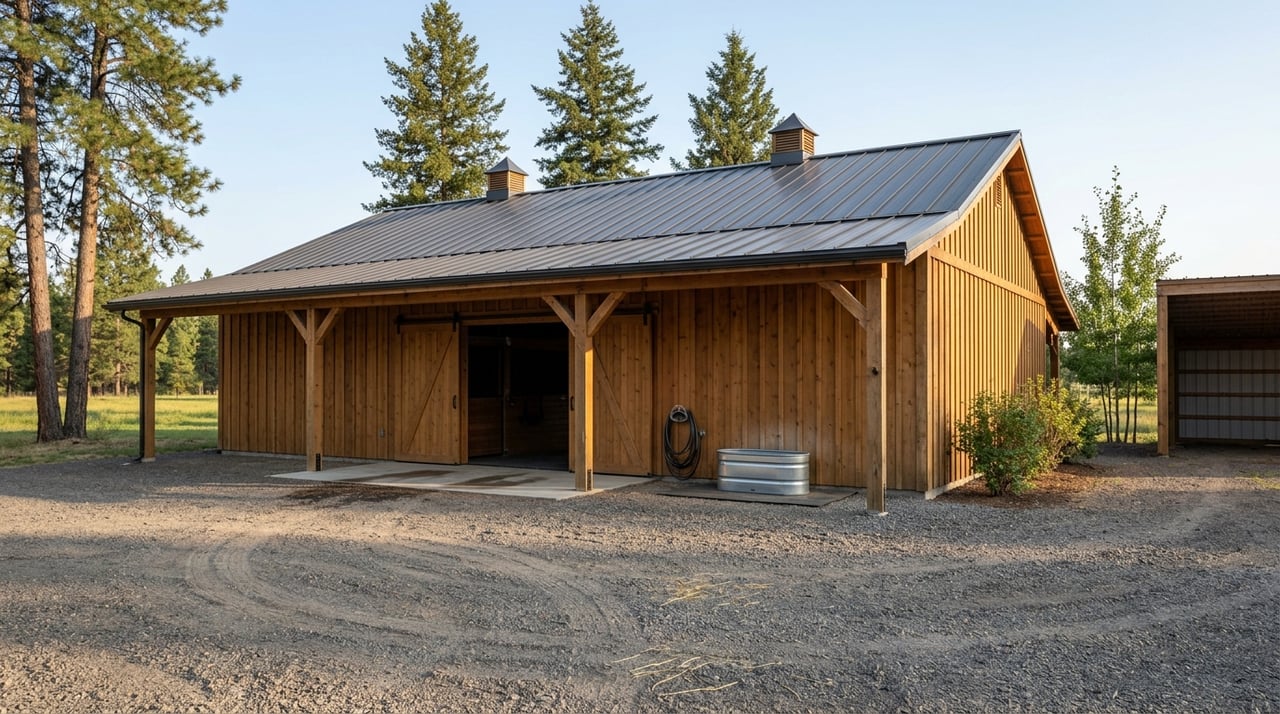
Outside the core townsite, the pattern becomes more semi-rural. Early development included subdivision of ranch land into five- and ten-acre parcels for house-and-garden living, and that history still helps explain why the broader Stevensville area can feel more open than suburban.
Expect a Mix of In-Town and Acreage Properties
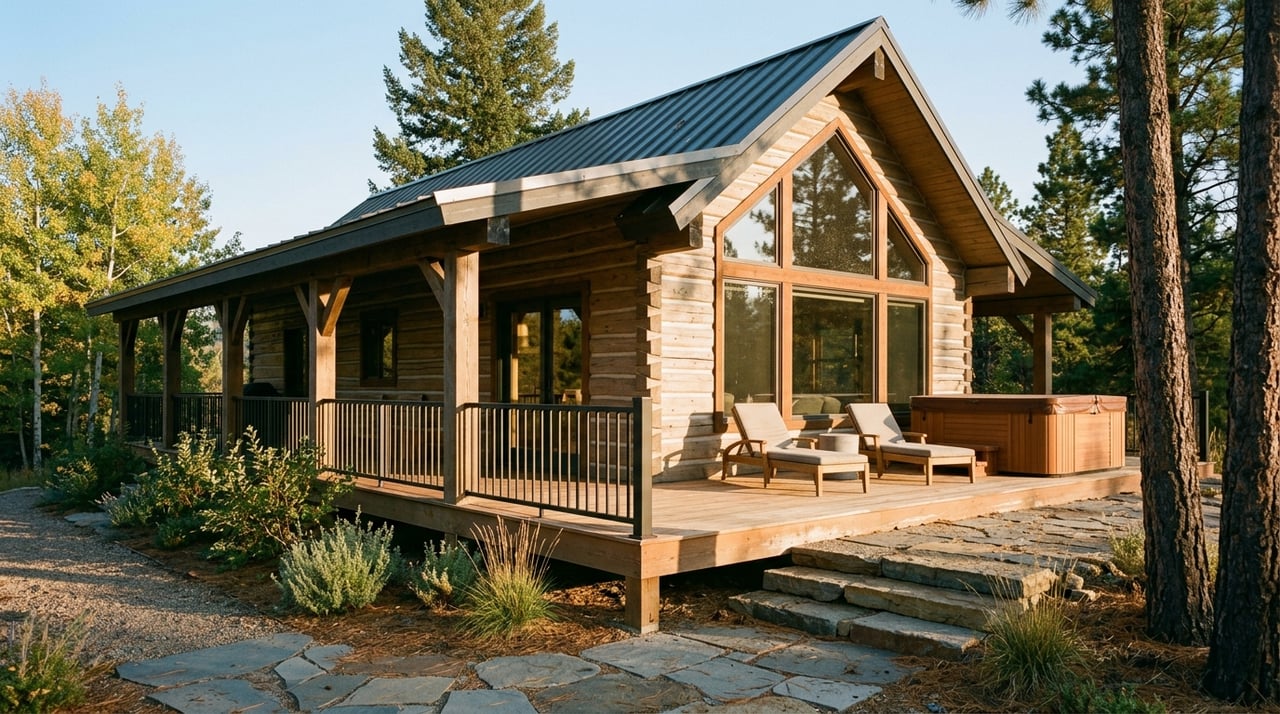
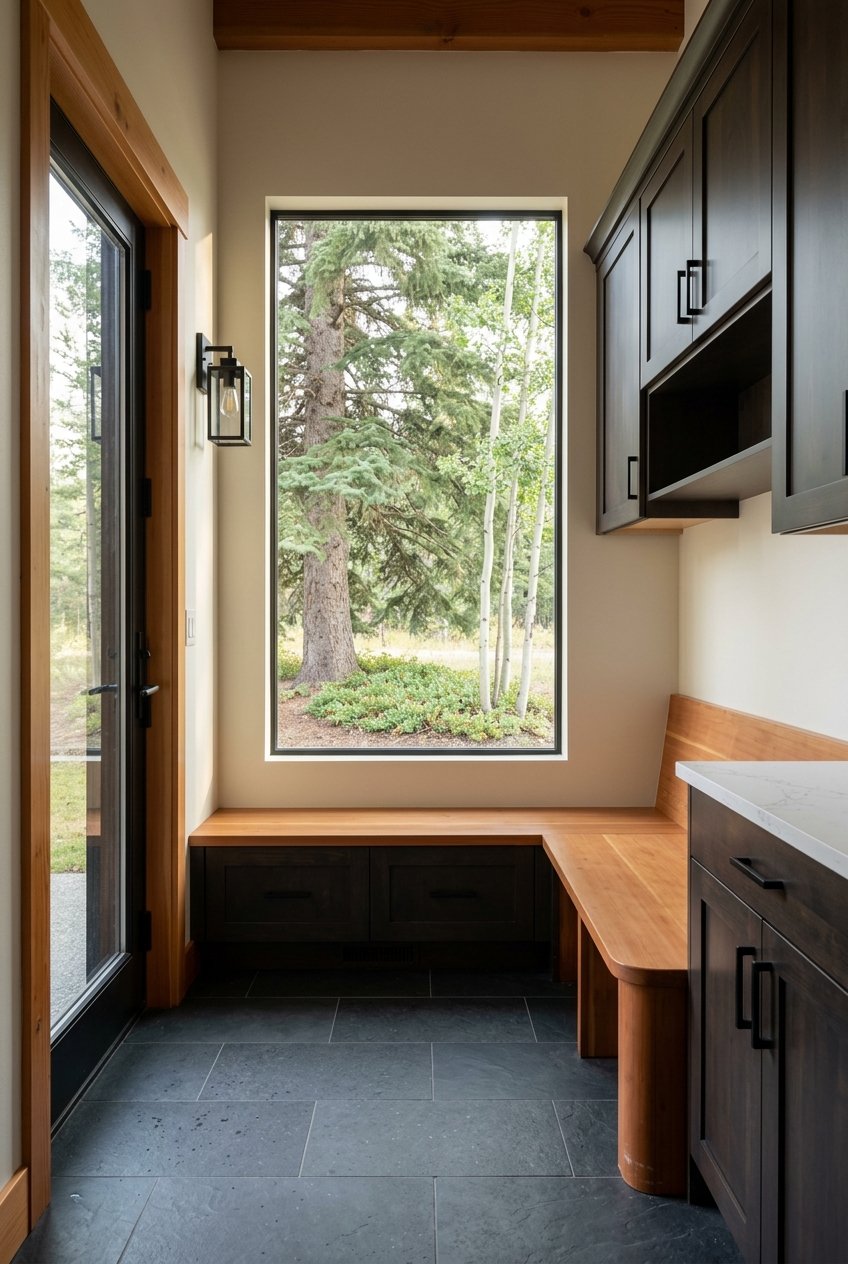
Near the river corridor, you may see a mix of older cottages, farmhouses, acreage homes, and custom builds. Recent listing examples on third-party real estate sites suggest that the modern mix often emphasizes land, privacy, craftsmanship, and views.
That matters if you are shopping with a very specific lifestyle in mind. A buyer looking for walkability and a historic home may focus closer to town, while someone prioritizing land, access, and a custom rural setting may look farther out in the corridor.
For sellers, that same variety means positioning matters. A river-adjacent property in Stevensville is not just about square footage. Buyers may also be thinking about land use, access, proximity to recreation, and how the property fits the larger Bitterroot Valley lifestyle.
Why Buyers Are Drawn to This Area
For many people, Stevensville offers a balance that can be hard to find. You get a historic small-town setting, direct connection to the valley’s outdoor resources, and a housing mix that ranges from classic in-town homes to larger rural properties.
The river is central to that appeal, but not only because of waterfront living. It supports recreation, habitat, scenic value, and a sense of place that extends well beyond the riverbank itself.
That is often what stands out to relocators and lifestyle buyers. You are not simply moving closer to water. You are moving into a setting where the river is part of how the whole community functions.
What Sellers Should Know About River-Adjacent Appeal
If you own a home or land near the Bitterroot River in Stevensville, your property may appeal to buyers who are looking for more than a house. They may be searching for access to fishing, floating, wildlife areas, trails, or a quieter semi-rural setting with room to spread out.
Clear, accurate marketing is especially important in this part of the valley. Buyers often want practical details about location, land, access, and how a property relates to the river corridor and nearby recreation.
That is where local insight can make a real difference. When a property has land, specialty features, or a lifestyle angle, strong representation helps connect the right buyer to what makes that property stand out.
If you are exploring homes near the Bitterroot River in Stevensville, or thinking about how to position a property for sale, working with someone who understands Ravalli County’s land-and-lifestyle market can help you make smarter decisions. To start that conversation, connect with Wanda Sumner.
FAQs
What is it like living near the Bitterroot River in Stevensville, MT?
- Living near the Bitterroot River in Stevensville usually means an outdoor-oriented, small-town, semi-rural lifestyle with access to public recreation, open land, and wildlife habitat rather than a dense waterfront neighborhood.
What can you do near the Bitterroot River in Stevensville?
- Near the Bitterroot River in Stevensville, you can access activities such as fishing, boating, rafting, wildlife viewing, photography, hiking, biking, and seasonal floating at public access sites and nearby Lee Metcalf National Wildlife Refuge.
Where can you access the Bitterroot River near Stevensville, MT?
- Public access near Stevensville includes Bass Creek, about 5 miles north of town, along with other Bitterroot Valley fishing access sites identified by Montana Fish, Wildlife & Parks.
What is Lee Metcalf National Wildlife Refuge like near Stevensville?
- Lee Metcalf National Wildlife Refuge, about 2 miles north of Stevensville, offers habitat along the Bitterroot River and supports wildlife viewing, photography, hiking, biking, fishing, and hunting, with specific rules for river access.
What types of homes are common near the Bitterroot River in Stevensville?
- Home options near the Bitterroot River in Stevensville can include historic single-family homes in town, older farmhouses, cottages, acreage properties, and custom rural homes with land and views.
How do the seasons affect life near the Bitterroot River in Stevensville?
- Seasonal life near the Bitterroot River is shaped by spring snowmelt runoff, fuller water in May and June, steady summer recreation, fall migration activity, winter habitat use, and occasional late-summer wildfire smoke in Ravalli County.