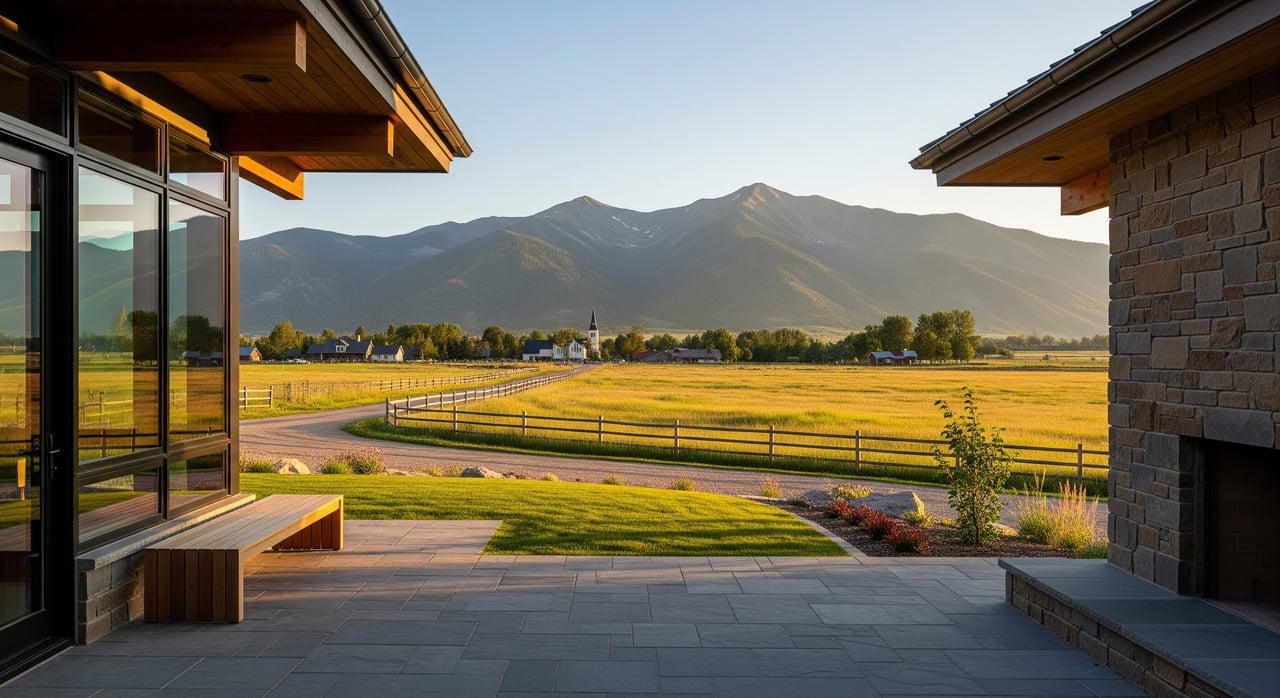
Thinking about buying in Stevensville but torn between an in-town home and a place on acreage? You are not alone. Each option offers a distinct mix of value, pace, and lifestyle. In this snapshot, you will learn how lot size and outbuildings tend to influence pricing and time to contract, plus the practical tradeoffs to consider in ZIP 59870. Let’s dive in.
In‑town vs. acreage: what counts in 59870
In‑town Stevensville generally means property inside town limits with municipal services, smaller lots, and walkable access to Main Street. These homes often appeal if you want lower maintenance and easy access to daily needs.
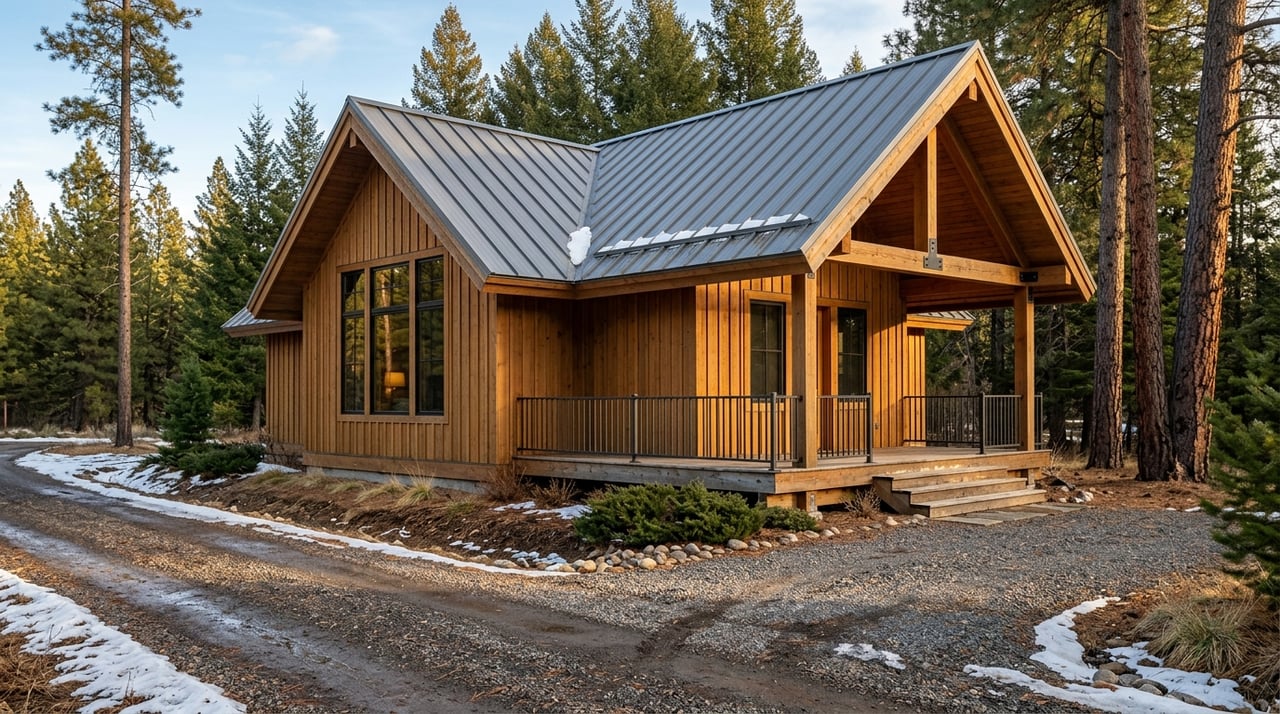
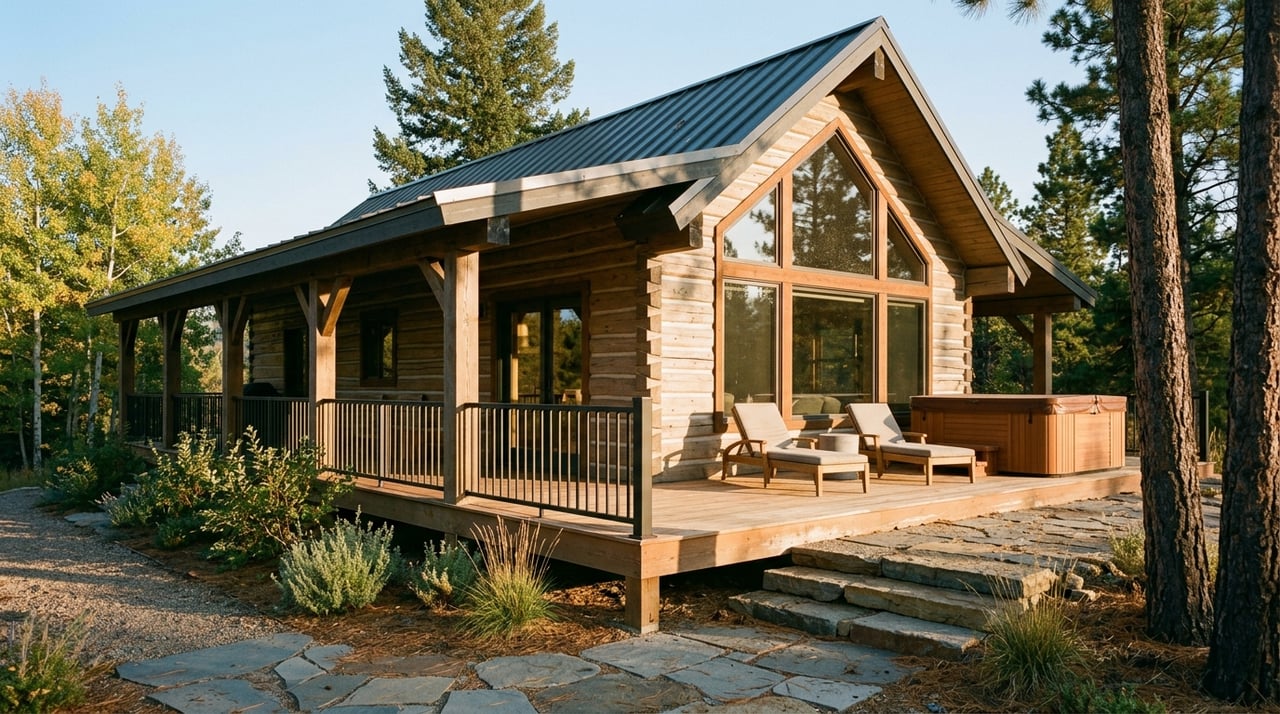
Acreage around Stevensville means rural parcels in 59870 but outside town limits. These usually start at 1 or more acres, often include wells and septic, and can feature shops, barns, or horse facilities. You will find more privacy and space, along with added ownership responsibilities.
What recent sales typically show
Local MLS medians change quickly, so it is smart to pull a trailing 12‑month snapshot before you write an offer. In many small‑town and rural markets, in‑town homes often command a higher price per finished square foot because of walkability, municipal utilities, and lower maintenance. Acreage properties often have higher total prices due to land but can show wider variation in price per acre and longer time on market. Inventory for acreage can also be more sporadic, and specialized rural setups may take longer to find the right buyer.
Lot size and land value drivers
- Views and privacy. Parcels with Bitterroot Valley or mountain views and good privacy typically carry premiums.
- Usable acres. Buyers pay more for usable land with pasture, fencing, and buildable areas than for steep or heavily timbered ground. Price per acre often declines as acreage increases.
- Utilities and services. Municipal water and sewer, or a strong well and reliable septic, strengthen value. Documented, year‑round road access also matters to buyers and lenders.
Outbuildings and sale speed
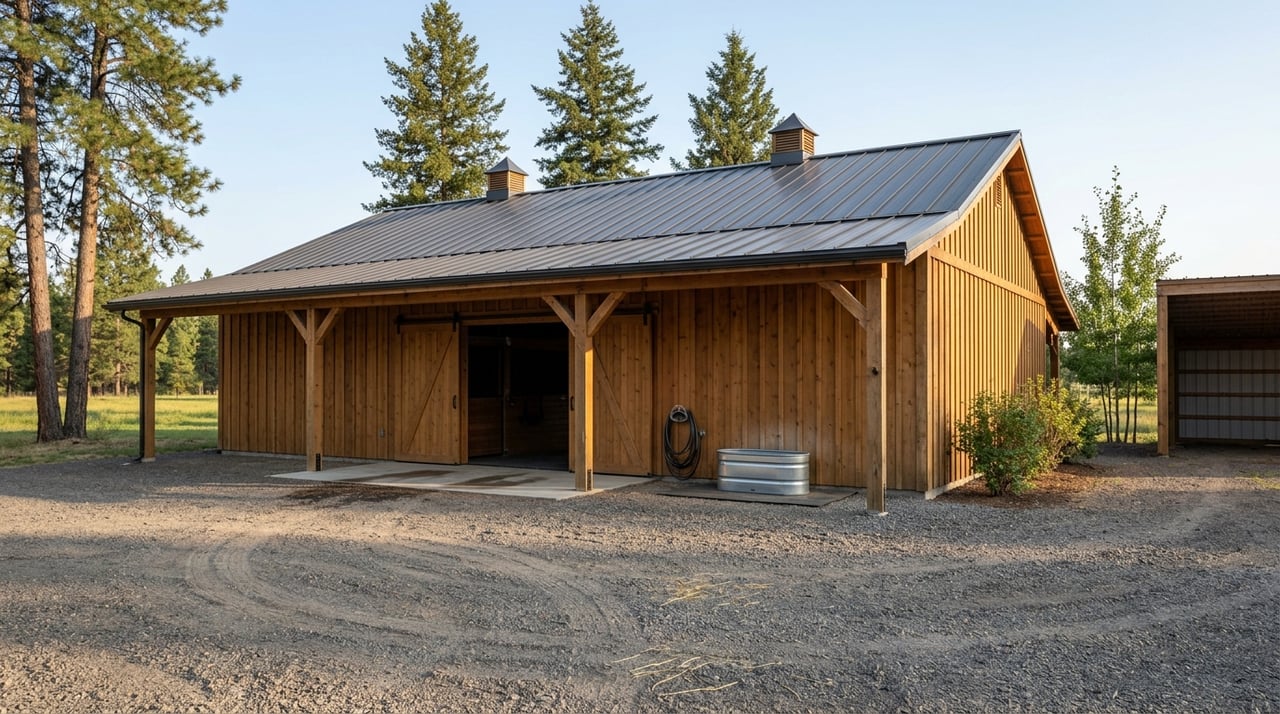
- Function and condition. Well‑built shops or barns with power and practical storage can boost market appeal and help certain listings sell more quickly.
- Versatility wins. Flexible buildings that work for a broad range of uses tend to add more value than highly specialized facilities.
- Appraisal reality. Improvements rarely return dollar‑for‑dollar. Appraisers lean on comparable sales and accepted methods, such as paired‑sales analysis, to estimate contributory value. Guidance from the Appraisal Institute helps explain how land and improvements are evaluated.
Lifestyle tradeoffs you should weigh
- Maintenance. Acreage requires regular attention to fencing, driveways, weed control, irrigation, and outbuildings. In‑town homes typically have simpler upkeep.
- Services. In town you benefit from municipal water/sewer and snow removal. On acreage you will manage well and septic systems and may share private road costs.
- Space and hobbies. Acreage offers room for animals, vehicles, storage, and outdoor projects. If you value walkability and quick errands, in‑town living may fit better.
- Resale liquidity. In‑town homes often attract a broader buyer pool, while specialty rural properties can take longer to match with the right buyer.
Commute, seasons, and access
Many buyers work or shop in Hamilton and Missoula. From Stevensville, Hamilton is roughly 10 to 12 miles away depending on your route. Missoula is roughly 25 to 35 miles from many 59870 addresses. Winter conditions and road maintenance responsibilities can affect drive times, especially on private or minimally maintained roads.
Financing and appraisal differences on acreage
Conventional financing is common for both in‑town and rural homes, but acreage deals can face more scrutiny on access, utilities, and comparable sales. Depending on eligibility, some buyers may consider USDA Rural Development options. FHA or VA can be possible if property and access meet program and lender requirements.
Appraisals on acreage can be more complex when comparable sales are scarce. Lenders and appraisers may need stronger documentation and closer analysis of land, improvements, and highest and best use.
Insurance, hazards, and taxes to consider
Wildfire exposure and defensible space are common topics in rural parts of the valley. Floodplain status can affect insurance costs and building options, so check the FEMA Flood Map Service Center for parcel‑level information. Water rights and irrigation are important in Montana; verify rights and records with the Montana DNRC.
Property taxes vary by assessed value and use. Some rural parcels may have special assessments or road maintenance agreements that add to annual costs. Always review title, covenants, and road agreements early in due diligence.
Buyer checklist for acreage near Stevensville
Use this quick list to compare rural properties on your short list:
- Confirm legal, year‑round access and any private road maintenance agreements.
- Review well flow and water quality test results; verify water rights where applicable.
- Inspect septic system and permits; understand age, capacity, and location.
- Map floodplain and riparian areas using FEMA resources.
- Evaluate usable acres, fencing, irrigation setup, and pasture condition.
- Document utility availability, power capacity in outbuildings, and internet options.
- Assess outbuilding condition, size, insulation, slab quality, and permitted status.
- Note topography, soils, and any site prep needed for future projects.
- Check zoning, subdivision rules, and any conservation easements or deed restrictions.
- Obtain insurance quotes early for wildfire and flood, and verify insurability.
How to compare two favorites
When you narrow down to two options, score each on the items that matter most to you. Consider monthly costs for utilities, road maintenance, and insurance. Estimate upkeep time for land and buildings. Ask for a side‑by‑side market snapshot that shows days on market, price per finished square foot, and any paired‑sales evidence for the value of extra acres or outbuildings.
Want local numbers and a plan?
If you are weighing a downtown Stevensville home against a small ranch, you deserve clear, local data and practical guidance at the well, septic, and access stages. With construction‑level insight and boots‑on‑the‑ground service, we can pull the latest 59870 medians, outline paired sales, and help you budget for the real costs of acreage. Reach out to Wanda Sumner to get a tailored snapshot and next steps.
FAQs
What is the difference between in‑town and acreage in Stevensville?
- In‑town is inside the municipal boundary with municipal services and smaller lots; acreage is outside town limits in 59870, typically 1 or more acres with well and septic and possible outbuildings.
Which sells faster in 59870, in‑town homes or acreage?
- In many rural markets, in‑town homes tend to sell faster, while acreage shows wider time‑to‑contract due to specialized features; always check the most recent local MLS snapshot.
How much value does a shop or barn add near Stevensville?
- It depends on size, power, condition, and buyer demand; appraisers rely on comparable sales and paired‑sales analysis to estimate contributory value.
Are acreage properties harder to finance in Ravalli County?
- They can be more complex because lenders review access, utilities, and comps closely; conventional loans are common and USDA, FHA, or VA may be possible if the property and borrower qualify.
What due diligence is essential for wells, septic, and water rights?
- Order well flow and quality tests, inspect septic and permits, and verify any water rights through the Montana DNRC during your inspection period.
Should I worry about flood or wildfire risk on rural properties?
- Yes, review FEMA flood maps, evaluate defensible space, and get insurance quotes early since risk profiles can affect coverage and premiums.
How will living outside town affect my commute?
- Expect more winter and private road considerations; many 59870 addresses are roughly 10 to 12 miles from Hamilton and about 25 to 35 miles from Missoula depending on location and route.