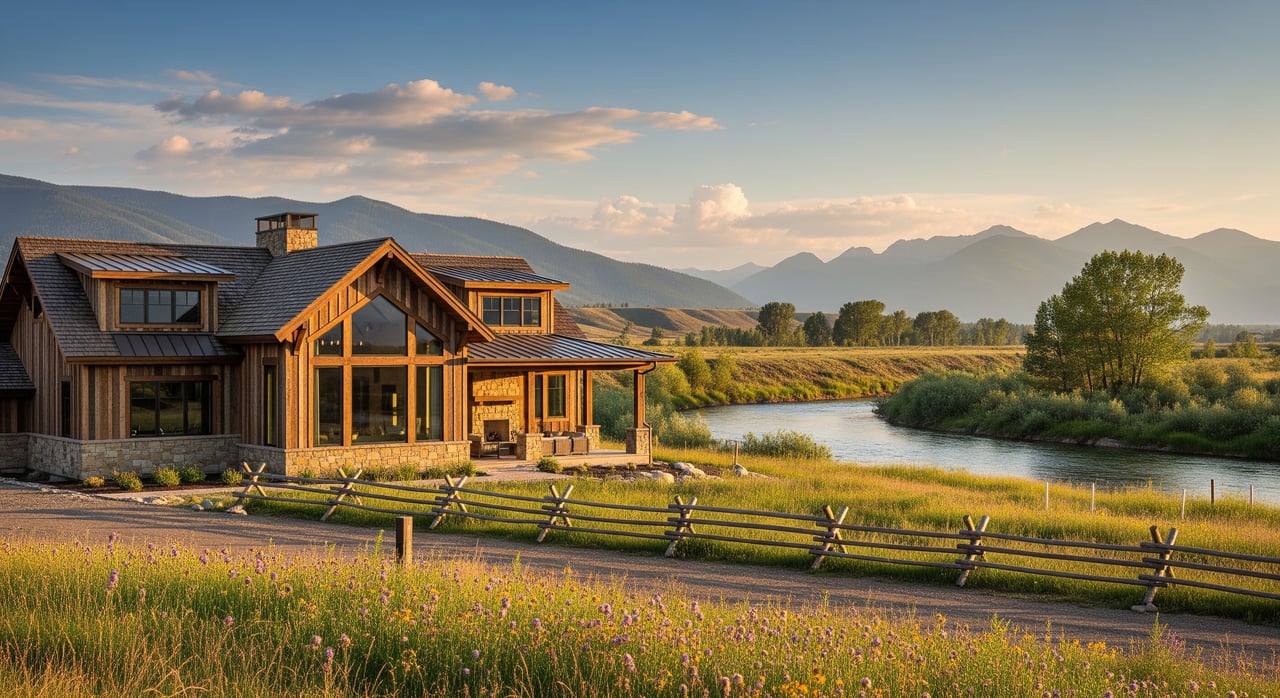
Thinking about a move to Hamilton, Montana, but not sure which neighborhood or lifestyle fits you best? You are not alone. Many buyers explore the Bitterroot Valley for small‑town charm, space to breathe, and easy access to the outdoors. In this guide, you will get a clear picture of in‑town living versus acreage properties, local services and recreation, and practical tips for buying with confidence. Let’s dive in.
Why Hamilton works
Hamilton is the county seat of Ravalli County and the main service hub in the central Bitterroot Valley. You will find everyday shopping, local clinics, county offices, and a walkable downtown. For larger hospitals, a university, and big‑box retail, Missoula sits to the north within a 40 to 60 minute drive depending on road and weather conditions.
The broader valley includes small towns, ranchland, river corridors, and national forest access. Buyers come for a slower pace, community ties, and year‑round recreation. Seasonal market patterns are common, with more listings and showings in summer and early fall.
Neighborhoods overview
Hamilton living generally falls into two buckets: in‑town homes close to Main Street and nearby rural acreage with more elbow room. Your choice comes down to convenience versus space, utilities and maintenance, and how you want to spend your time.
In‑town Hamilton
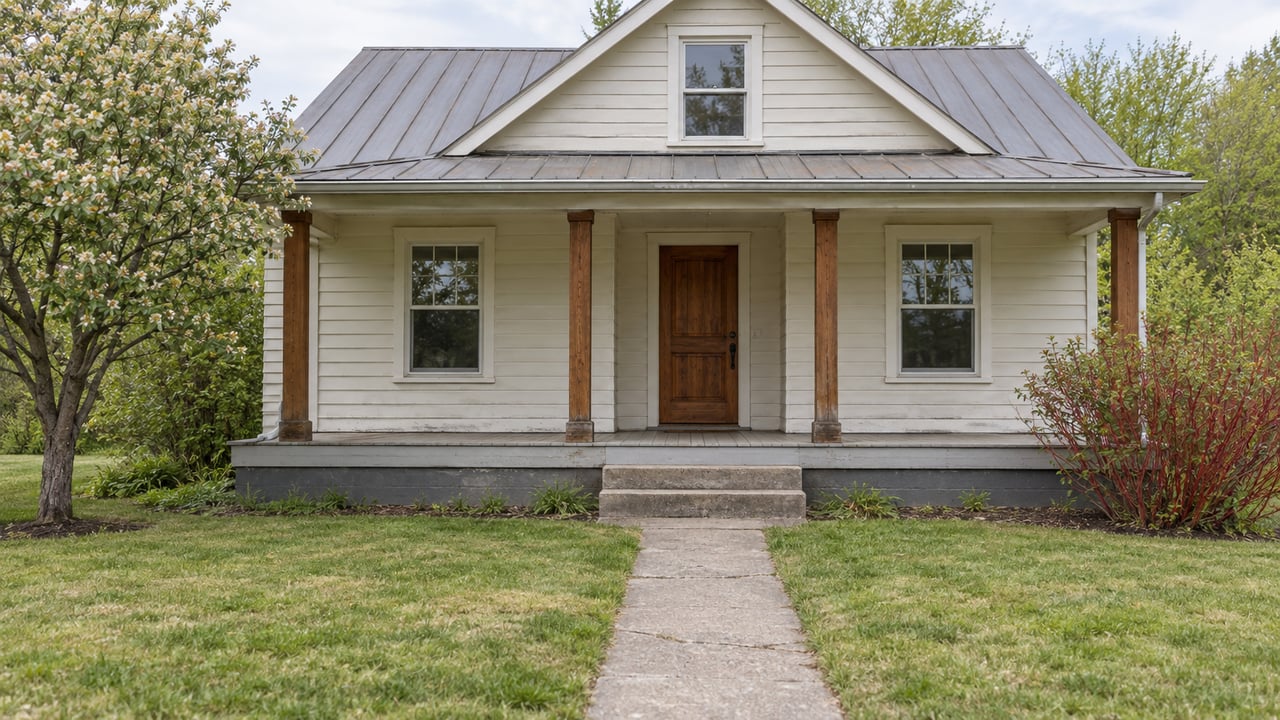
In‑town you will see a mix of historic homes near downtown, mid‑century ranches and bungalows, and select newer infill. Lots are smaller and most homes connect to municipal water and sewer. Many residents value walkability to shops, cafes, parks, the library, and local services.
Lifestyle benefits are straightforward. Winter road care is simpler inside city limits, and drive times are short. If you like being near community events and errands, in‑town living delivers everyday convenience.
Rural acreage and ranch
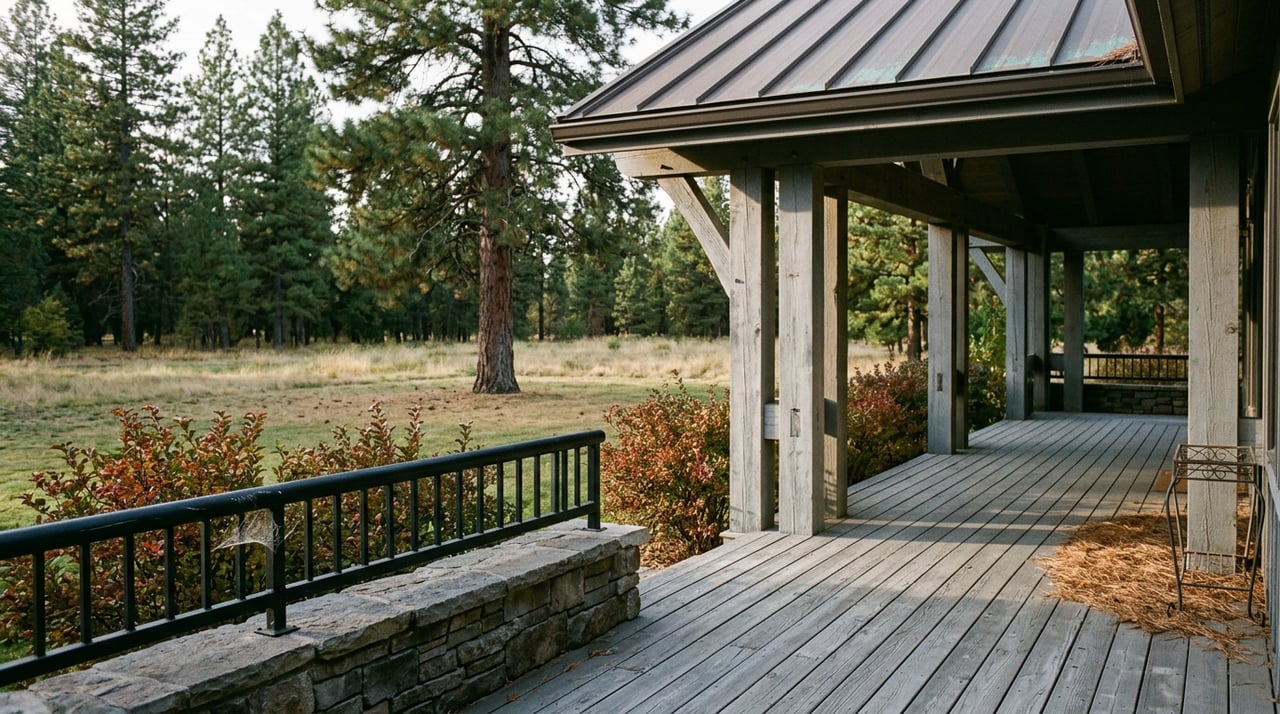
Outside city limits, options range from one‑acre hobby lots to 5–20 acre ranchettes and larger agricultural parcels. Some homes sit along the river corridor or near public land. Buyers choose acreage for privacy, room for animals, hobby farming, views, or a quiet setting.
Plan for different utilities and responsibilities. Many parcels use wells and septic systems, and some roads are private with limited plowing. Internet and cell service vary by location, so verify at the address. On remote parcels, factor in emergency access, fire risk, and longer commutes.
Zoning and subdivision rules apply across the county. Before you buy, review parcel‑level details such as access easements, lot size requirements, and any covenants. A local check with county planning and the assessor helps you understand what you can build and how you can use the land.
Daily living essentials
Schools and childcare
Hamilton is served by local public school districts, and neighboring communities like Corvallis, Victor, Stevensville, Darby, and Florence have their own districts. Families often weigh district boundaries and program offerings when choosing a home. Performance metrics, graduation rates, and available programs are best reviewed through official state education resources and local district pages.
Childcare can be limited in rural Montana. Licensed centers may have waiting lists, so begin your search early. County health and early childhood resource agencies are helpful starting points for current openings and support.
Healthcare and senior services
Hamilton offers primary care clinics, urgent care options, and a local hospital or medical center. For more specialized care, Missoula is the nearest major medical hub. The valley includes assisted living, hospice, and in‑home care providers, though availability may be tight, so planning ahead is wise.
Safety and emergency services
Inside Hamilton, local police provide law enforcement, and rural areas are served by the Ravalli County Sheriff’s Office. Fire protection includes local districts and volunteer departments. On acreage, response times can vary with distance and access, so consider fire mitigation and defensible space part of normal property care.
Recreation and community life
Outdoor recreation
The Bitterroot River runs through the valley and offers well‑known trout fishing and scenic access points. Trails in the Bitterroot National Forest lead to day hikes, horseback rides, and backpacking routes, with the Lee Metcalf Wilderness nearby for more remote terrain. Winter brings smaller ski hill options within driving distance, cross‑country routes, and snowmobiling in designated areas.
Hamilton’s parks and green spaces provide easy family outings. You will also find seasonal festivals and riverfront activities that make the most of good weather.
Arts, dining, and markets
Downtown Main Street features local shops, cafes, galleries, and casual dining. Farmers markets, county fairs, music, and arts events run on a seasonal rhythm across the valley. For a wider variety of retail and dining, many residents make periodic trips to Missoula.
Practical buyer checklist
Buying in the Bitterroot Valley is about lifestyle and logistics. Use this checklist to frame your search and your due diligence.
Utilities and systems
- In‑town homes usually connect to municipal water and sewer.
- On acreage, confirm well depth, production, water quality, and septic type and age through county records and inspections.
- Ask about irrigation ditches, water rights, and any associated assessments.
Internet and cell service
- Availability varies by street and canyon. Confirm speeds with local providers and review public broadband maps.
- If you work from home, plan for the service actually available at your address, not just nearby.
Roads and commutes
- Expect short local drives within the valley and a 40 to 60 minute trip to Missoula based on conditions.
- On private or lightly maintained roads, confirm snow removal plans and who pays for upkeep.
Wildfire, flood, and environmental risk
- This region is wildfire prone. Ask about past fire history, evacuation routes, and local district guidance for defensible space.
- Along the Bitterroot River and tributaries, review floodplain maps and any elevation or insurance requirements.
Property taxes, permits, and zoning
- Property taxes vary with assessed value and local levies. Check the county assessor for estimates.
- For new builds, additions, shops, and ADUs, review city or county permit requirements and any subdivision covenants.
Title, survey, and access
- Verify recorded easements for roads and irrigation.
- Order a current survey if boundaries are unclear or older.
- Confirm year‑round legal access, especially for backcountry parcels.
Insurance and financing
- Get homeowners and wildfire insurance quotes early, particularly on rural properties.
- Conventional loans are common in town. Raw land and specialty acreage may need different loan structures or larger down payments, and some rural programs may apply in certain areas.
In‑town vs acreage: which fits you?
Both choices work well in the Hamilton area. Your decision hinges on how you want to live day to day.
Choose in‑town if you want:
- Walkable access to Main Street, parks, and services.
- Municipal water and sewer and simpler winter logistics.
- A smaller yard and less exterior maintenance.
Choose acreage if you want:
- Privacy, room for animals, gardens, or a workshop.
- Views, a quieter setting, or proximity to public land.
- You are comfortable managing a well, septic, private roads, and fire mitigation.
Moving from out of state
If you are relocating, start with a clear list of needs and nice‑to‑haves. Decide on in‑town convenience or acreage before you spread your search across the whole valley. Then line up your due diligence so you can act quickly when the right place appears.
- Get pre‑approved with a lender familiar with Montana and, if needed, land or rural products.
- Schedule a trip to tour in‑town streets and a sample of acreage areas to test commute times and cell coverage.
- For any property you love, plan inspections that include well, water quality, septic, and outbuildings.
- Review county planning, zoning, and floodfire resources before you remove contingencies.
Work with a local guide
Buying in the Bitterroot Valley is part market knowledge and part fieldwork. A local broker who understands wells, septic systems, access, and fire mitigation can save you time and help you avoid costly surprises. If you are exploring Hamilton and the surrounding communities, connect with a professional who lives the lifestyle and knows the land.
Ready to talk through neighborhoods, acreage options, or a step‑by‑step plan for your move? Reach out to Wanda Sumner for local guidance and a practical strategy that fits how you want to live in the Bitterroot Valley.
FAQs
What is daily life like in Hamilton, MT for new residents?
- You get small‑town convenience with essential shopping, clinics, and community services in town, plus easy access to trails, river recreation, and a regional hub in Missoula for specialized needs.
How long is the drive from Hamilton to Missoula?
- Plan on 40 to 60 minutes by car, depending on traffic, roadwork, and seasonal weather conditions.
What should I know about wells, septic, and utilities on acreage near Hamilton?
- Many rural properties use private wells and septic systems, and some rely on private roads; verify system permits and maintenance history, and budget for snow removal and road upkeep.
Is internet and cell service reliable for remote work in the Bitterroot Valley?
- Coverage and speeds vary widely by location; confirm service at the specific address with providers and public broadband maps before you commit.
How can I research Hamilton schools and programs?
- Review official state education resources and local district pages for enrollment, program offerings, and performance data, then visit schools to understand fit and logistics.
What risks should homeowners consider in the Hamilton area?
- Wildfire exposure, winter access on private roads, and potential flood risk near the Bitterroot River are the main concerns; plan for mitigation, insurance, and route planning.
When is the best time to shop for homes in Hamilton?
- Summer and early fall often bring more listings and showings, while winter can mean fewer listings but motivated buyers and sellers.