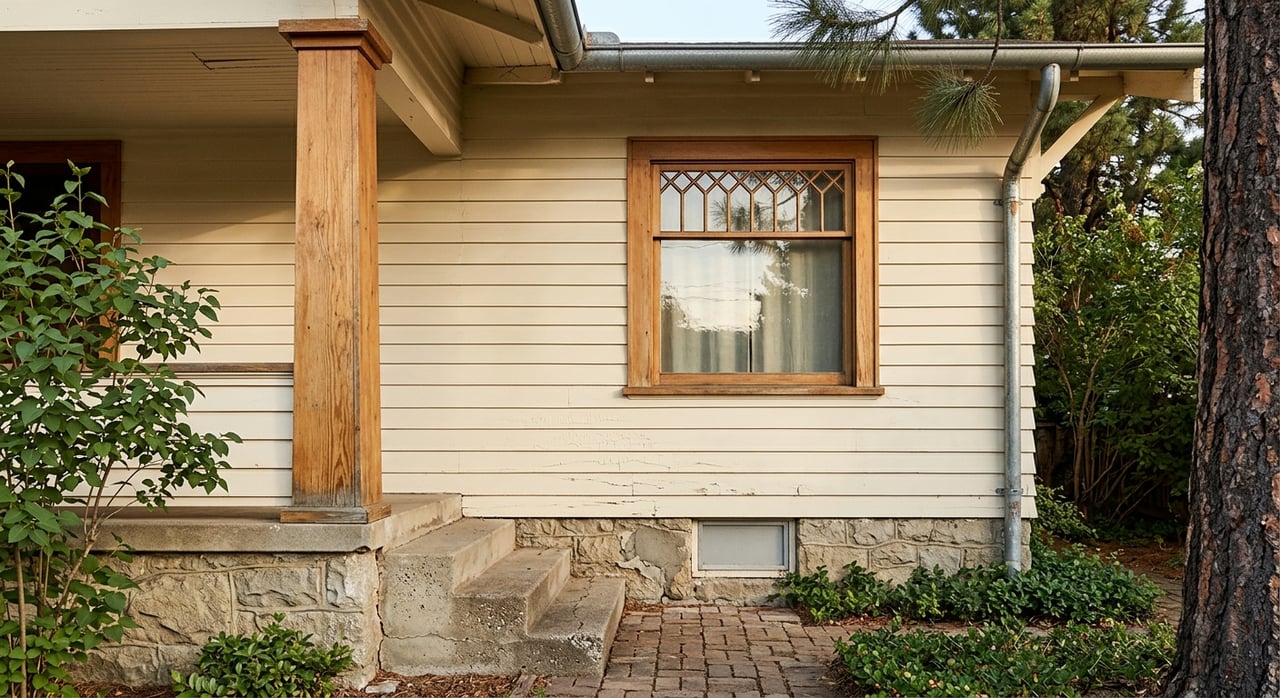
Wondering whether a historic home in Stevensville is a charming opportunity or a bigger project than you want to take on? If you love old-house character, front porches, wood trim, and the story that comes with an early home, you are not alone. The key is knowing what to look for before you fall in love with the details. Let’s walk through the buyer considerations that matter most in Stevensville.
Stevensville’s historic housing context
Stevensville’s older homes are most heavily concentrated in the original townsite and early additions. According to the National Register nomination for the Stevensville Historic District, many residences were built between 1900 and 1915, with the biggest surge during the 1906 to 1914 apple boom.
That helps explain why so many historic homes in town share a similar feel. These houses were often modest in size and ornamentation, but they remain strong examples of historic construction styles and techniques. If you are buying in Stevensville, that means you may find character-rich homes that are more practical and livable than overly formal.
The town’s 2023 growth policy also notes that the median age of housing structures was 48 years and that much of the housing stock was built in the 1970s or earlier. In other words, even homes that are not truly historic may still come with age-related maintenance and systems questions.
Common historic home styles in Stevensville
Many of Stevensville’s historic homes were built by local builders using traditional forms or pattern-book plans rather than custom architectural designs. That gives the older neighborhoods a cohesive, approachable look.
Early settlement homes
The earliest surviving homes and buildings from the late 1800s were often simple log or wood-frame structures with gable-ended forms. When you tour one of these properties, pay close attention to original wood components, hand-worked details, and the type of foundation supporting the home.
Boom-era homes from 1900 to 1915
This is the period you are most likely to encounter when shopping for a historic home in Stevensville. Common forms include:
- Vernacular four-square homes
- Gabled-ell houses
- Queen Anne examples
- Colonial Revival homes
- Craftsman homes
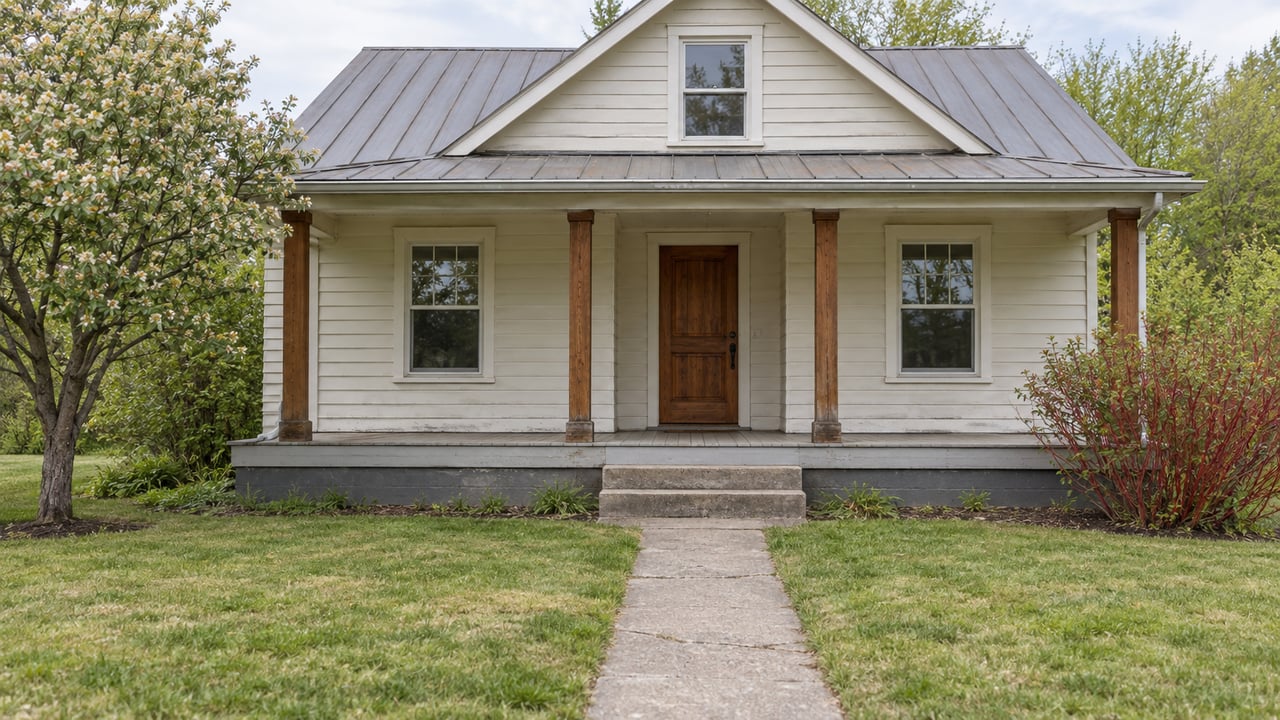
Many of these houses were wood-frame construction with clapboard siding, full-width front porches, wood double-hung windows, and roofs that were originally wood shingles but are now often asphalt. Those features are a big part of what buyers value today.
Masonry and transition-era features
Some homes and foundations from the 1906 to 1916 period used cast concrete block or brick. These materials became more popular in part because they were affordable and seen as more fire-resistant.
There is also a 1941 Art Moderne house noted in the historic record, marking the end of the historic residential period described in the nomination. While that type is less common, it shows that Stevensville’s older housing stock is not all one look or era.
Inspection issues to prioritize first
Historic homes can be rewarding to own, but they require a different level of diligence. A cosmetic update does not always tell you what is happening behind the walls, under the floor, or around the site.
Foundation and structural condition
Foundation type often tracks with the age of the home. Pre-1900 homes in Stevensville generally sit on rubble-stone foundations, while poured concrete and cast concrete block became more common after the turn of the century.
As a buyer, look closely for:
- Settlement or uneven floors
- Foundation cracking
- Signs of water entering a basement or crawlspace
- Drainage issues around the house
These concerns matter in any market, but they matter even more in an older home where repairs can become more specialized over time.
Water management in Stevensville’s climate
Stevensville’s growth policy describes the local climate as having warm to cool summers, cold winters, severe snowstorms, strong winds, and bitter cold. In that setting, the way a house handles moisture and air movement is a major ownership issue.
Air leakage can contribute to moisture problems that affect both durability and indoor conditions. Air sealing is most effective when paired with proper insulation and ventilation, so buyers should think about the whole building envelope, not just drafts around windows and doors.
Electrical, plumbing, and HVAC systems
In an older home, the visible charm can distract from outdated systems. A thorough inspection should include electrical, plumbing, and heating and cooling systems, since these are core components of an older-home evaluation.
Even if the home looks solid and well cared for, you should expect that servicing, repairing, or replacing older systems may become part of ownership. It is smart to build that possibility into your budget from the beginning.
Lead and asbestos risks in older homes
If you are buying a historic home in Stevensville, you should assume that certain legacy materials may be present unless testing shows otherwise.
Lead-based paint
The EPA says 87% of homes built before 1940 have some lead-based paint, and pre-1978 homes are the safest to assume may contain lead. That does not always mean a home is unsafe to buy, but it does mean you should take painting, sanding, scraping, and remodeling seriously.
If original painted surfaces are disturbed, lead dust can be created. That is why lead-safe work practices matter when you update or repair an older home.
Asbestos-containing materials
Homes built between the 1930s and 1970s are more likely to contain asbestos in some materials. That can include:
- Attic or wall insulation
- Pipe or boiler insulation
- Floor tile
- Siding
- Roof materials
- Original plaster
If a material appears damaged or a renovation would disturb it, sampling by a properly trained asbestos professional is the recommended next step.
Utilities and site systems to verify
Utility questions are especially important in Ravalli County because not every property is set up the same way. Before you close, make sure you know whether the home is connected to town services or relies on private systems.
Water and sewer in town
The Town of Stevensville provides water and sewer service for residential and business customers within town. If the home is inside town and connected, that may simplify part of your due diligence.
Septic permits outside town or on older setups
If the property uses septic, Ravalli County warns buyers to verify wastewater permits. The county notes that many valley properties have unpermitted septic systems, and any wastewater system installed in or after 1972 must be permitted or it is considered illegal.
This is one area where paperwork matters just as much as the physical system. Some nonconforming systems may need correction, replacement, or even abandonment if they cannot be brought into compliance.
Private well testing
If the home uses a private well, Montana DPHHS recommends testing the water for contaminants at various times during the year. For buyers, that means well due diligence should not stop at flow rate or basic functionality.
Budgeting for a historic home purchase
Historic homes often require a more layered budget than newer homes. The purchase price is only one part of the financial picture.
Stevensville’s growth policy notes that housing costs are outpacing local incomes, with 33.4% of mortgaged owner-occupied households and 42.8% of renters spending more than 30% of income on housing. For you as a buyer, that is a reminder to look at the full monthly cost of ownership, not just the mortgage payment.
First-priority budget items
Your first dollars should usually go toward safety and hidden defects. That can include:
- Lead-safe paint stabilization
- Asbestos sampling or abatement if needed
- Electrical updates
- Plumbing updates
- HVAC repairs or replacement
These are not always the exciting upgrades, but they are often the ones that protect your investment and your peace of mind.
Building envelope and efficiency work
Older homes in Stevensville may also need work that helps with comfort and moisture control. Common budget items include:
- Weatherstripping
- Caulking
- Air sealing
- Roof and flashing repairs
- Gutter and downspout corrections
- Insulation upgrades
- Window restoration or replacement
Because winters are cold and weather can be severe, these projects can make a meaningful difference in both comfort and long-term durability.
Septic and site reserves
If the property is not on town sewer, keep reserve funds available for septic inspection and possible correction. This is especially important when records are incomplete or the system is older.
Tax credit expectations
Montana SHPO notes that federal historic preservation tax incentives apply to income-producing certified historic structures, and the related state credit is tied to projects already certified for the federal program. For most owner-occupied homes, that means these incentives are usually not the main budgeting tool.
What National Register status does and does not mean
A lot of buyers worry that a historic designation automatically limits what they can do with a property. In many cases, that concern is overstated.
The National Park Service says that National Register listing by itself does not restrict what a non-federal owner may do with a property under federal law. The main exceptions involve projects with federal assistance, funding, or permitting. State or local preservation rules may still matter, so it is wise to verify any property-specific details during due diligence.
Why historic homes appeal to Stevensville buyers
For the right buyer, a historic home offers something newer homes often cannot replicate. You may be drawn to period craftsmanship, original wood windows, front porches, older trim details, or the overall feel of a home that has stood for generations.
In Stevensville, that appeal is grounded in the town’s early development pattern and its preserved housing stock. These homes tend to reward buyers who appreciate character and are ready to plan for maintenance, energy improvements, and occasional system updates over time.
If you are relocating to the Bitterroot Valley or buying from out of area, this is where local guidance really matters. A historic home can be a wonderful fit, but only when you understand the construction era, utility setup, inspection priorities, and likely future costs before you commit.
If you are considering a historic home in Stevensville and want practical insight on older construction, site systems, and what to look for during your search, Wanda Sumner can help you evaluate the details with a local, hands-on perspective.
FAQs
What should buyers inspect first in a historic home in Stevensville, MT?
- Focus first on the foundation, structure, drainage, roof, electrical, plumbing, and HVAC systems, since these tend to drive the biggest repair decisions in older homes.
Do historic homes in Stevensville, MT usually have lead paint?
- Many do. The EPA says pre-1978 homes should be assumed to potentially contain lead-based paint, and homes built before 1940 have a particularly high likelihood.
Are septic systems a concern when buying older homes in Ravalli County?
- Yes. Ravalli County warns buyers to verify wastewater permits because some properties have unpermitted systems, and noncompliant systems may require correction or replacement.
Does National Register listing restrict changes to a Stevensville historic home?
- Not by itself under federal law for a non-federal owner, although projects involving federal funding or permits may be treated differently and state or local rules may still apply.
Are historic homes in Stevensville, MT more expensive to maintain?
- They can be, especially if you need to address older systems, moisture management, insulation, roofing, or hazardous-material concerns as part of ongoing ownership.