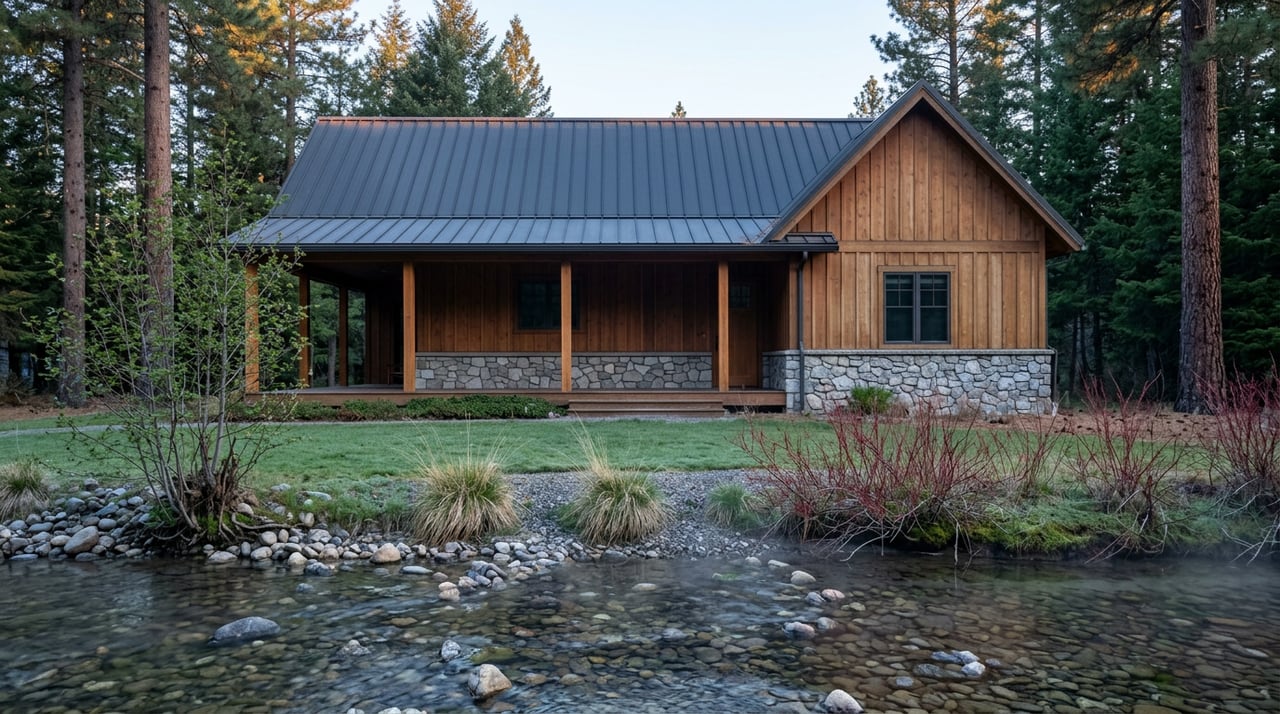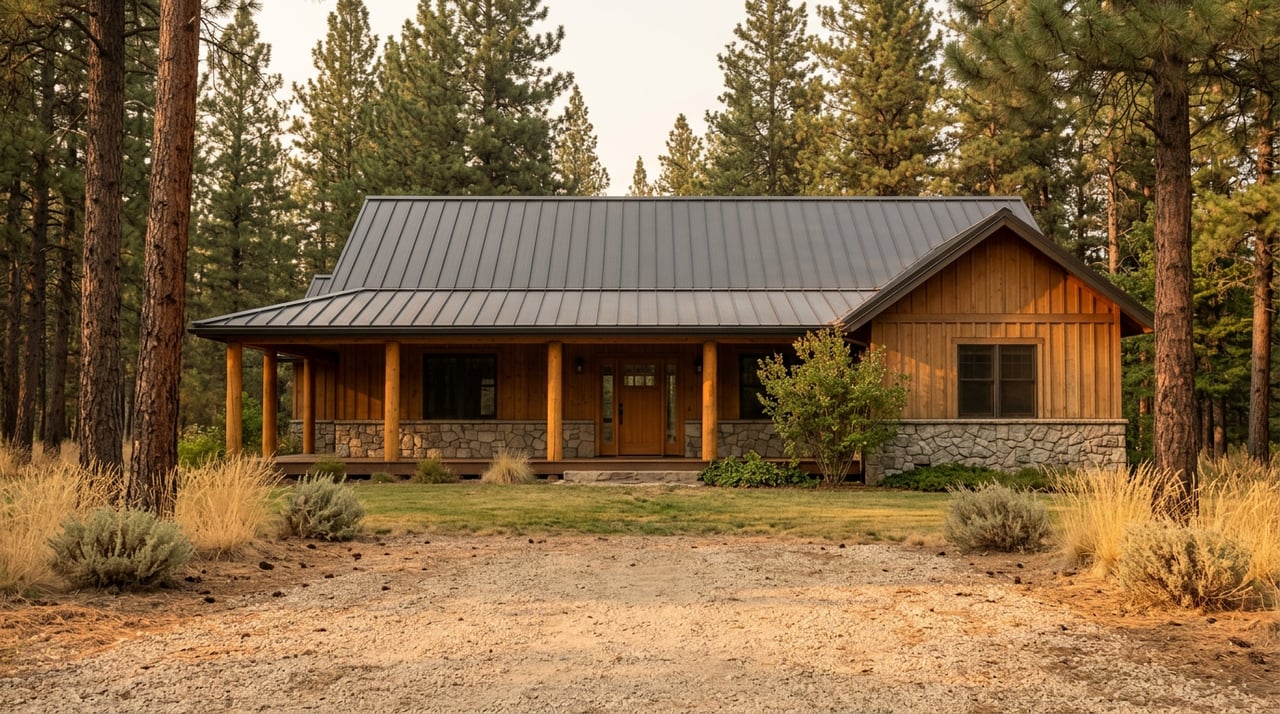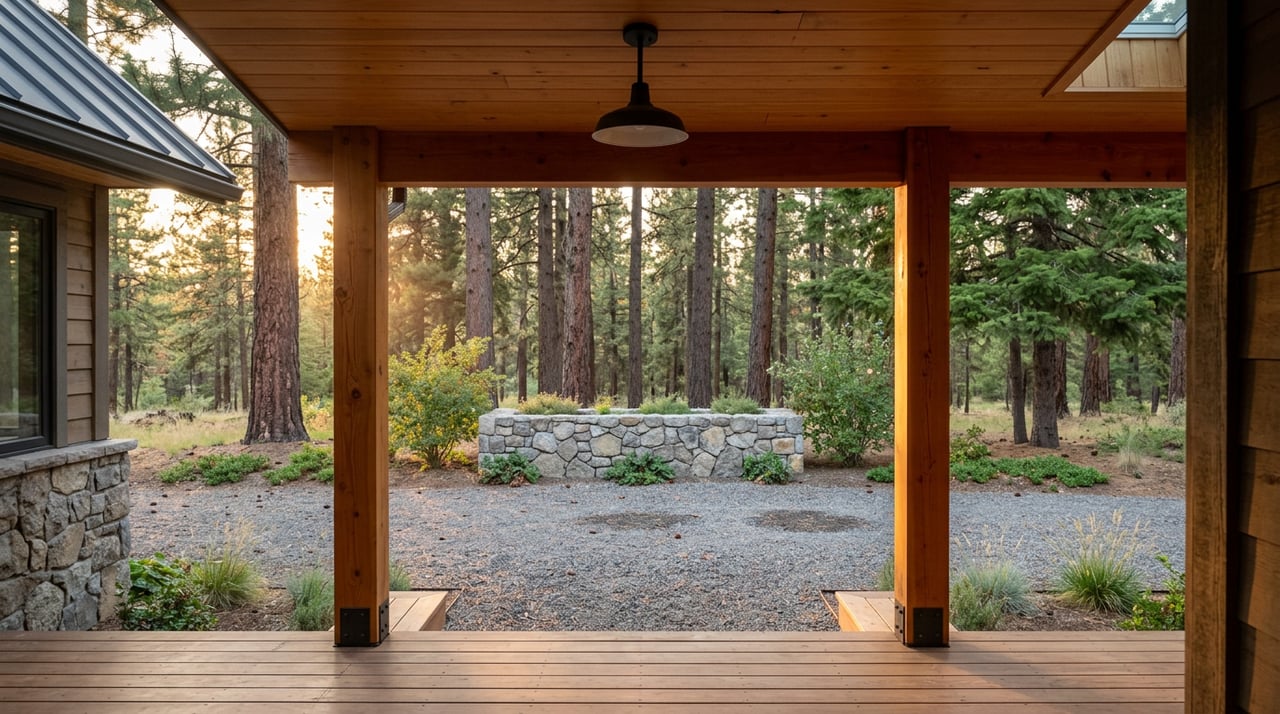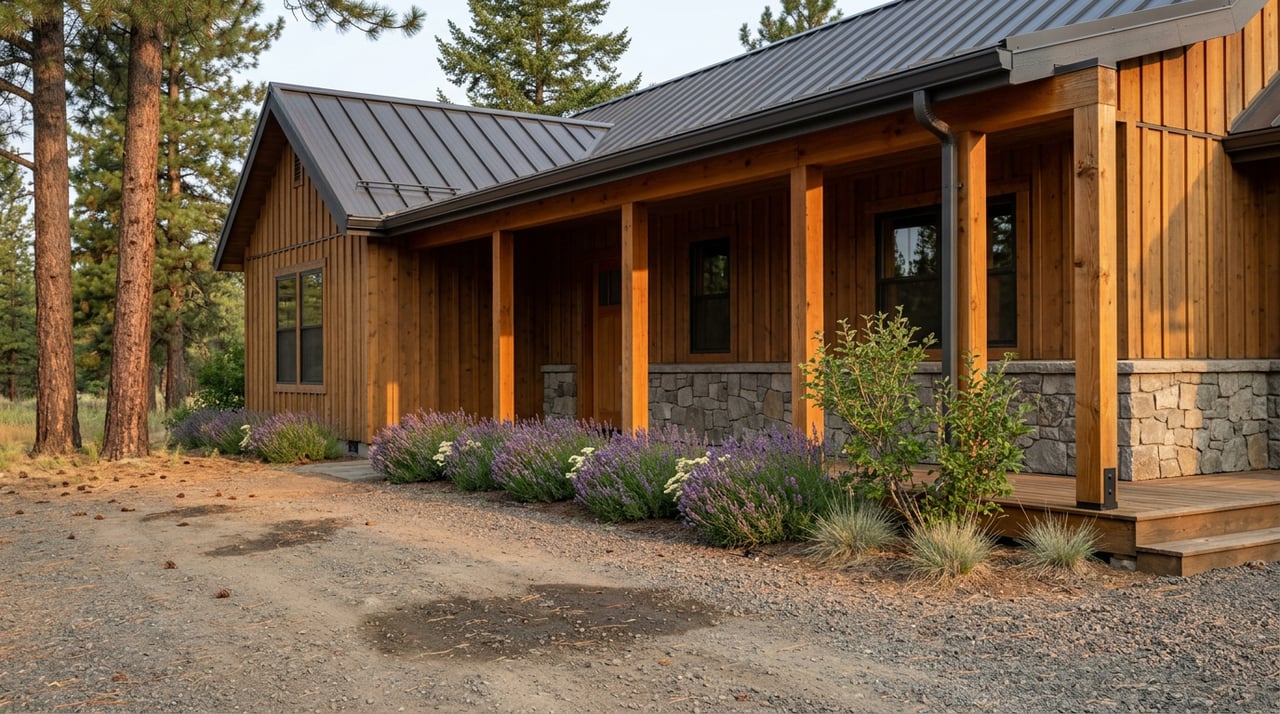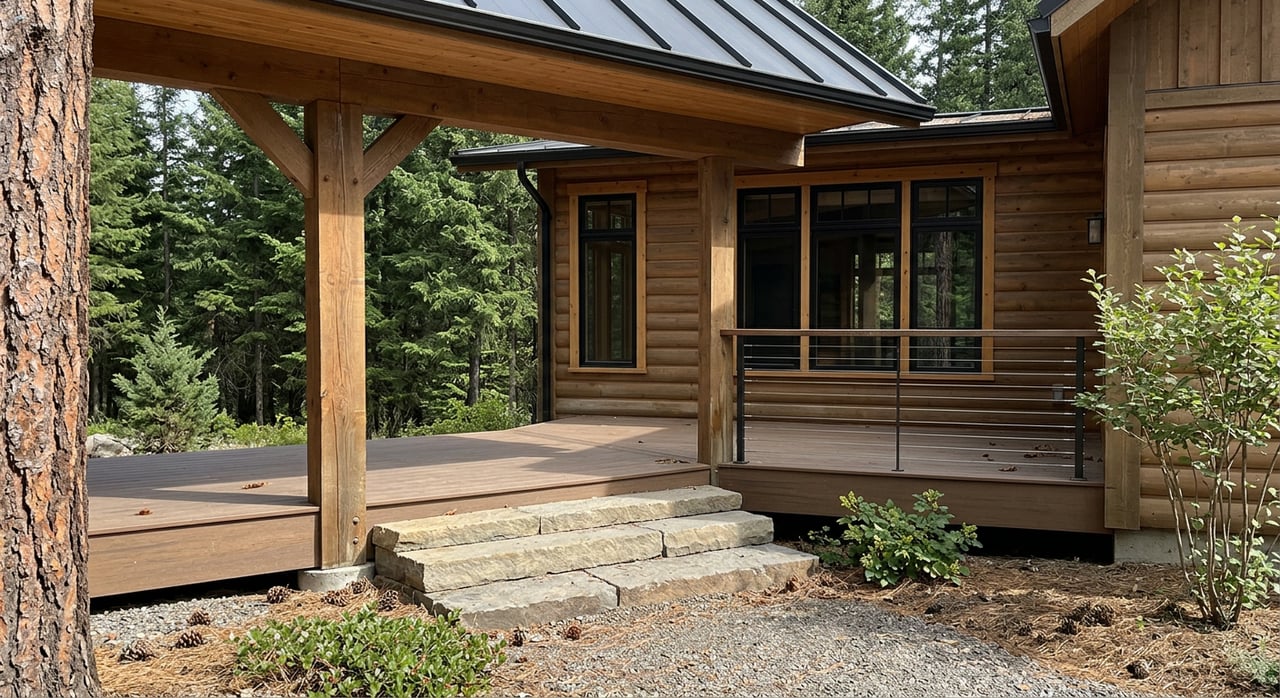
Picture this: you slip a fly box into your pocket after breakfast, step outside to the smell of pine, and in ten minutes you’re at a trailhead or a river launch. If that sounds like your kind of day, Darby might be the Montana base you’ve been looking for. You want outdoor access, a slower pace, and a home that matches your lifestyle and budget. In this guide, you’ll learn how daily life in Darby works, where you’ll play outside, and what kinds of homes you can expect at different price points. Let’s dive in.
Darby location and access
Darby sits at the south end of the Bitterroot Valley on U.S. Highway 93, with a 2020 population of 783 residents according to the U.S. Census count for the town. You get a true small‑town feel with quick access to larger services up the valley. Hamilton is the closest larger service town to the north, and Missoula and its international airport are roughly 60 to 65 miles away by road. Plan on about an hour to 1.5 hours to reach Missoula depending on route and traffic, as outlined in this regional travel overview from Destination Montana.
For a quick town snapshot, see the Census summary for Darby and the 2020 town population on Wikipedia.
Outdoor access from town
Trails and lakes nearby
Darby is surrounded by the Bitterroot National Forest’s Darby Ranger District, which manages trailheads, campgrounds, and access into the Selway‑Bitterroot Wilderness. Lake Como, a short drive north, offers day‑use sites, a beach, a dock and boat launch, and an accessible trail that makes it a go‑to spot for summer days. You can find ranger contacts and alerts on the Darby Ranger District page.
Popular day hikes include the Lake Como trails and loop options, Rock Creek and Lost Horse access, and the classic approaches into Blodgett Canyon. For a sense of the routes and terrain, review this Blodgett Canyon trail summary. Many of these trailheads are a short drive from Darby, which makes it easy to fit a hike into a weekday evening or a quick Saturday morning outing.
Rivers and fishing access
If you love to fish or float, you will find multiple Montana Fish, Wildlife & Parks Fishing Access Sites near town. Examples include Hannon Memorial, Wally Crawford, Forest Cooper, and the Darby Bridge sites. These public areas list facilities, ramps, and rules, and they are commonly used by locals for day trips and quick evening casts. Start with the Hannon Memorial Fishing Access Site and the statewide FWP fishing access page for current regulations and conservation license requirements.
Winter sports and seasons
In winter, Lost Trail Powder Mountain at Lost Trail Pass is the closest alpine ski area serving the southern Bitterroot. Locals rely on it for weekend turns, and the region also supports cross‑country and snowmobile access. Check the Lost Trail Powder Mountain overview for location details and to plan winter days.
Tip: Some recreation sites are seasonal and may be affected by fire restrictions or road conditions. Before you go, check for alerts on the Darby Ranger District page and confirm any FWP updates on access rules.
Town life and services
Community events and markets
Darby keeps a friendly, small‑town calendar with Main Street Park gatherings, a local farmers market on Tuesdays in season, and special events like the Strawberry Festival and community rodeo fundraisers. For current dates and valley‑wide highlights, use the regional festivals calendar.
Local eats and lodging
Downtown you’ll find year‑round, locally run spots for coffee, breakfast, and casual dinners. Visitors often mention places like Montana Cafe, The Blue Joint, Bandit Brewing, and the 406 Saloon. Hours shift seasonally, so check directly before you go. For lodging, choices range from simple motels and cabins to upscale guest ranch stays. Nearby, Rye Creek Lodge offers hand‑hewn log cabins and guest services, which helps explain why Darby attracts destination visitors during peak months.
Schools and healthcare access
Darby is served by Darby K‑12 Schools in the local district. For hospital‑level care, most residents look to Hamilton to the north, where full hospital services are available. Specialty medical appointments often mean a drive to Hamilton or Missoula, so factor that into your weekly planning.
Housing overview in Darby
Darby’s housing stock is small, and inventory changes quickly. Recent snapshots from market aggregators place the typical Darby home value in the low‑to‑mid 500s and have shown recent area median sold prices around the mid‑$500,000s. Keep in mind, a handful of high‑value ranch or riverfront properties can shift broad medians in a small market. For historic context, the Census/ACS lists a median value for owner‑occupied housing near $327,100, which reflects the broader stock rather than current asking prices. You can review the Census profile for Darby on Census Reporter.
Inventory is often measured in dozens, not hundreds, of active listings. That means what you see in a given month can vary, and days on market can look uneven as one or two notable sales close. The bottom line: be ready to move when the right property appears, and use current MLS data for up‑to‑the‑minute pricing.
Property types by budget
Below is a practical snapshot of what buyers often see. Your exact options will vary by season and month.
Entry and value options (often under ~$300k)
- Manufactured homes and smaller in‑town houses
- Occasional fixer properties
- Smaller lots or manufactured pads that may need updates
These listings are limited and go quickly. Be prepared to consider condition and size tradeoffs.
Mid‑range homes (~$300k–$600k)
- Modest single‑family homes in or near town
- Cottages and cabin‑style homes
- Small acreage properties, often 1 to 10 acres, near the valley edge
This range tends to capture many recent sales when inventory is steady. It’s the sweet spot for buyers seeking balance between access, space, and price.
Upper‑end and ranch properties ($600k to multi‑million)
- Riverfront acreage and established recreational ranches
- High‑end log homes and luxury cabins
- Larger parcels with privacy, views, and specialty features
These listings are rare and highly seasonal. Marketing often reaches far beyond the local area, and timelines can be unique to each property.
In‑town vs. acreage living
In‑town Darby
- Smaller lots and modest homes, close to Main Street amenities
- Realistic to walk to a café, the town park, and local shops
- Typically simpler utilities and access than rural parcels
Valley edges and near forests
- Larger lots and a mix of meadow and riparian settings
- Quick access to trailheads or the river, plus more privacy
- Commonly private wells and septic systems, along with private drives
Rural parcels can bring extra homework: verify well output, septic capacity, winter access, and any private road maintenance agreements. If you are eyeing a place near the forest boundary or along a seasonal road, consider snow removal plans and wildfire season precautions.
Practical tips for outdoor‑minded buyers
- Verify recreation access. Check trailhead and road status on the Darby Ranger District page and confirm river use rules on the FWP fishing access page.
- Plan for seasons. In spring, roads can be soft; in summer, fire restrictions may limit certain activities; in winter, rural access can require 4WD and regular plowing.
- Evaluate water and waste systems. For rural homes, review well production, water quality, and septic permits. Ask for recent service records and inspections.
- Understand easements and access. Confirm recorded easements, driveway locations, and any shared road agreements.
- Right‑size the acreage. More land means more upkeep. Match your desired activities to the acreage and terrain you actually need.
A sample Darby day
Start with coffee in town, then head north to Lake Como for a morning loop along the shore. Grab lunch back in Darby, and in the afternoon cast a few runs from a nearby fishing access site. When winter rolls in, swap the trail shoes for skis and drive up to Lost Trail for a few hours of turns. Living here means you can fit the outdoors into normal days, not just vacations.
Is Darby a fit for you?
If you want real outdoor access, a tight‑knit town, and a home that makes room for bikes, boats, and boots, Darby deserves a close look. You will find options from simple in‑town homes to small acreages and riverfront retreats, with pricing that shifts month to month. With low inventory and varied property types, the right local guidance makes all the difference.
Ready to explore homes or land that fit your lifestyle? Connect with Wanda Sumner for a practical, local game plan and on‑the‑ground insight from showings to inspections.
FAQs
Can I fish from town in Darby, MT?
- Yes. Several Montana Fish, Wildlife & Parks Fishing Access Sites, including Hannon Memorial and Darby Bridge, are within a few miles. Check the Hannon Memorial FAS details and confirm current rules on the FWP fishing access page.
How far is Darby from Missoula International Airport?
- Plan on roughly 60 to 65 miles by road and about 1 to 1.5 hours depending on route and traffic, as outlined in this regional travel guide.
Are there many hiking trails near Darby, MT?
- Yes. Lake Como, Rock Creek, Lost Horse, and Blodgett Canyon trailheads are a short drive away. See the Darby Ranger District page and this Blodgett Canyon trail overview for route info and alerts.
Where do Darby residents ski in winter?
- Lost Trail Powder Mountain at Lost Trail Pass serves the southern Bitterroot and is popular for weekend skiing. Review the Lost Trail overview for location and planning notes.
What kind of home can I buy for about $400k in Darby, MT?
- In many recent snapshots, that budget often falls into the mid‑range band, which can include a modest single‑family home, a cabin‑style home, or a small acreage property. Inventory changes quickly, so check current MLS data.
What should I know about utilities for rural homes near Darby?
- Many valley‑edge and forest‑proximate homes use private wells and septic systems, and some rely on private drives with shared maintenance. Confirm well output, septic permits, and any road agreements during due diligence.